![Non US - Podiatry [SNAPSHOT]](https://images.leadconnectorhq.com/image/f_webp/q_80/r_1200/u_https://assets.cdn.filesafe.space/LPonfJynRFpdyLMTHkoy/media/67a1e33eaaffd3379b4d94c0.png )
Tips & Advice From Mary Moore Podiatry

How Long Do Verrucas Last Without Treatment? Dublin 4 Advice
Introduction
If you're dealing with verrucas, also known as plantar warts, you may be wondering how long they last without treatment. At Mary Moore Podiatry in Dublin 4, we understand the discomfort and concern surrounding these common foot conditions. In this post, we will explore the lifespan of verrucas, their causes, and effective treatment options available.
What Are Verrucas?
Verrucas are benign growths on the skin caused by the human papillomavirus (HPV). They typically appear on the soles of the feet and can be flat or protruding. They may cause discomfort, especially when walking or standing. Understanding the nature of verrucas can help inform your treatment decisions.
How Long Do Verrucas Last Without Treatment?
Verrucas can persist for months or even years without treatment. The duration largely depends on several factors, including the individual's immune response, the specific strain of HPV, and how frequently the area is exposed to moisture and friction.
- Immune Response: An individual's immune system plays a crucial role in fighting off the virus. Some people may clear verrucas within months, while others may struggle for years.
- Location: Verrucas on weight-bearing areas of the foot, like the heels, may cause more irritation and discomfort, prompting quicker treatment.
- Type of HPV: Certain strains of HPV are more aggressive and may take longer to resolve.
What Causes Verrucas?
Verrucas occur when the HPV virus enters the skin through small cuts or breaks, often in areas exposed to wet environments, such as swimming pools, communal showers, and locker rooms. Poor foot hygiene and compromised immune systems can also increase the risk of developing verrucas.
How Can I Treat Verrucas Effectively?
While many verrucas may resolve on their own with time, several treatment options are available to hasten the healing process:
- Over-the-Counter Treatments: Salicylic acid patches or gels can help dissolve the wart over time.
- Cryotherapy: This involves freezing the verruca with liquid nitrogen, a common treatment offered by podiatrists like those at Mary Moore Podiatry.
- Electrosurgery: This technique uses electrical currents to destroy the wart tissue.
- Laser Therapy: A focused laser can target and eliminate the wart effectively.
- Prescription Treatments: In some cases, a physician may prescribe stronger topical medications.
Are Verrucas Contagious?
Yes, verrucas can spread from person to person, primarily through direct contact or contaminated surfaces. It's important to maintain good foot hygiene and avoid sharing personal items such as towels or shoes to minimise the risk of transmission.
How Can I Prevent Verrucas?
Preventing verrucas involves several proactive steps:
- Avoid walking barefoot in public swimming areas.
- Use flip-flops or water shoes in communal showers.
- Keep your feet clean and dry, particularly between the toes.
- Moisturise your feet regularly to maintain skin integrity.
- Don’t pick at existing warts or verrucas.
What If My Verruca Doesn't Go Away?
If your verruca persists despite treatment, or if it becomes painful or infected, it is advisable to consult a podiatrist at Mary Moore Podiatry. We can provide a tailored treatment plan and evaluate any underlying conditions that may contribute to the persistence of verrucas.
FAQ
1. Can verrucas spread to other parts of my body?
Yes, verrucas can spread to other areas, especially if you touch or scratch them and then touch other parts of your skin.
2. Are there any home remedies for verrucas?
Some people try home remedies such as duct tape occlusion therapy. However, their effectiveness can vary, and professional treatment is often recommended for better results.
3. How can I tell if I have a verruca vs. a corn or callus?
Verrucas are often painful when pinched, contain black dots (thrombosed capillaries), and have a rough surface. Corns and calluses have a more consistently thickened appearance and are usually less painful when pinched.
4. Is it safe to remove verrucas at home?
While some home treatments exist, professional intervention from a podiatrist is recommended for effective and safe removal, especially for persistent or painful verrucas.
5. How long does it take for treatments to work on verrucas?
Results can vary; some treatments may take several weeks to show improvement. Regular follow-ups with a podiatrist can ensure optimal care and results.
Conclusion
Verrucas are a common foot ailment, and understanding their lifespan can aid in effective management. At Mary Moore Podiatry in Dublin, we offer advanced treatment options and preventative advice to help you manage and eliminate verrucas. Don’t let foot warts disrupt your life — book an appointment with us today.

Ask Mary Moore Podiatry And Their Team
Fill in the form to request a call from our team. One of our team members will call you for FREE and answer any questions or concerns you may have about your condition
Our Clinic Locations
Glasnevin Clinic
If you have any questions before scheduling an appointment or for general inquiries, please use the contact us button below. Our team will promptly reach out to assist you.
Opening Hours
Monday: 8:30am - 7pm
Tuesday: 8:30am - 5pm
Wednesday: 8:30am - 6pm
Thursday: 8:30am - 7pm
Friday: 8:30am - 5pm
Saturday: Closed
Sunday: Closed

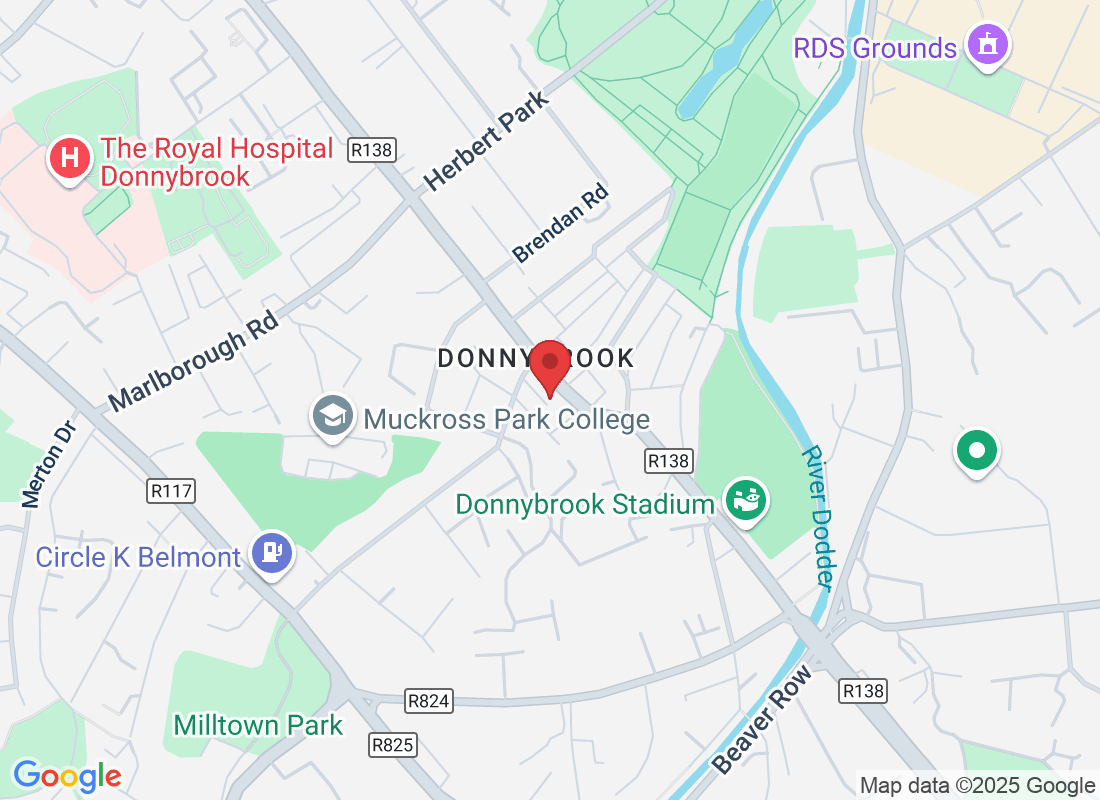
Donnybrook Foot Mechanics
If you have any questions before scheduling an appointment or for general inquiries, please use the contact us button below. Our team will promptly reach out to assist you.
Opening Hours
Monday: Closed
Tuesday: 9:30am - 5pm
Wednesday: 9:30am - 5pm
Thursday: Closed
Friday: Closed
Saturday: Closed
Sunday: Closed