![Non US - Podiatry [SNAPSHOT]](https://images.leadconnectorhq.com/image/f_webp/q_80/r_1200/u_https://assets.cdn.filesafe.space/LPonfJynRFpdyLMTHkoy/media/67a1e33eaaffd3379b4d94c0.png )
Tips & Advice From Mary Moore Podiatry
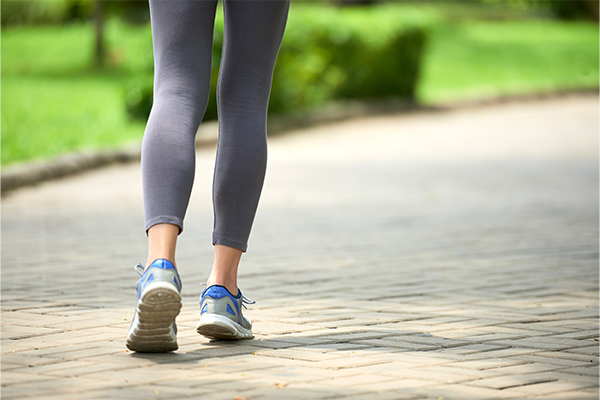
Podiatry for Runners in Dublin 9: Preventing Injury and Improving Comfort
Podiatry for Runners in Dublin 9: Preventing Injury and Improving Comfort
Running is a popular and rewarding activity, but it can also lead to various foot and ankle injuries. At Mary Moore Podiatry in Dublin, we understand the specific challenges runners face. In this article, we will explore common foot conditions among runners, prevention tips, and how podiatric care can enhance your running experience.
What Causes Common Running Injuries?
Runners often experience unique issues that can affect their performance and comfort. Here are a few frequent conditions that may arise:
- Plantar Fasciitis: Inflammation of the plantar fascia, leading to heel pain.
- Achilles Tendinitis: Overuse condition causing pain along the back of the foot.
- Shin Splints: Pain along the shin bone due to repetitive stress.
- Stress Fractures: Small cracks in bones resulting from overuse, usually in the foot or shin.
- IT Band Syndrome: Pain on the outer side of the knee or hip from tightness.
How Can I Prevent Running Injuries?
While some injuries may be unavoidable, many can be prevented with proper care and precautions. Here are several evidence-based strategies:
- Choose the Right Footwear: Invest in high-quality running shoes tailored to your foot type and gait. Replace shoes every 300-500 miles.
- Gradually Increase Mileage: Follow the 10% rule when increasing distance to avoid overuse injuries.
- Incorporate Stretching and Strengthening: Regular stretching and strengthening exercises should focus on the calves, Achilles tendon, and foot arch.
- Vary Your Surfaces: Running on different surfaces (grass, dirt paths, asphalt) can reduce strain and improve stability.
- Cross-Train: Include low-impact activities like swimming or cycling to promote overall fitness without stressing the joints.
How Can Podiatry Help Runners?
Podiatry is essential in diagnosing and treating running-related injuries. Here’s how we can help:
- Biomechanical Assessment: A thorough evaluation of your running style can identify gait abnormalities that may contribute to pain.
- Custom Orthotics: Prescription orthotics can provide support, enhance comfort, and correct biomechanical imbalances.
- Physical Therapy: Targeted therapy can aid in rehabilitation and recovery from injuries, restoring strength and flexibility.
- Education: Our experts will provide personalized guidance on injury prevention and running techniques.
What Are the Signs I Should See a Podiatrist?
It’s important to recognize when to seek professional advice. If you experience any of the following, consult with us at Mary Moore Podiatry:
- Persistent pain in your feet, ankles, or knees.
- Swelling that doesn’t improve with rest.
- Changes in your running stride or foot position.
- Newly developed foot deformities such as bunions or hammertoes.
- Recurring injuries despite following preventive measures.
How Can I Treat Minor Running Injuries at Home?
For minor injuries, the RICE method (Rest, Ice, Compression, Elevation) is often effective:
- Rest: Avoid running and other activities that may exacerbate the injury.
- Ice: Apply ice packs for 15-20 minutes every few hours to reduce swelling.
- Compression: Use compression wraps or sleeves to limit swelling.
- Elevation: Keep your injured foot elevated to help reduce swelling.
Frequently Asked Questions (FAQ)
1. How often should I see a podiatrist as a runner?
It’s beneficial to have an annual check-up or if you notice any persistent pain or changes in your foot mechanics.
2. Are custom orthotics necessary for all runners?
Not all runners require custom orthotics; they are recommended based on individual foot mechanics and injury history.
3. Can I run with plantar fasciitis?
Running with plantar fasciitis can worsen symptoms; it’s essential to address the condition with proper treatment before resuming running.
4. What type of shoes are best for runners?
Look for shoes that match your foot type (neutral, stability, motion control) and provide sufficient cushioning and support.
5. What role does stretching play in avoiding injuries?
Stretching improves flexibility and prepares muscles for the physical demands of running, thus reducing injury risk.
Book an Appointment with Mary Moore Podiatry
At Mary Moore Podiatry, we are committed to helping runners in Dublin enjoy their sport pain-free. If you're experiencing foot pain or wish to prevent injuries, don’t hesitate to book an appointment with us today.

Ask Mary Moore Podiatry And Their Team
Fill in the form to request a call from our team. One of our team members will call you for FREE and answer any questions or concerns you may have about your condition
Our Clinic Locations
Glasnevin Clinic
If you have any questions before scheduling an appointment or for general inquiries, please use the contact us button below. Our team will promptly reach out to assist you.
Opening Hours
Monday: 8:30am - 7pm
Tuesday: 8:30am - 5pm
Wednesday: 8:30am - 6pm
Thursday: 8:30am - 7pm
Friday: 8:30am - 5pm
Saturday: Closed
Sunday: Closed

Donnybrook Foot Mechanics
If you have any questions before scheduling an appointment or for general inquiries, please use the contact us button below. Our team will promptly reach out to assist you.
Opening Hours
Monday: Closed
Tuesday: 9:30am - 5pm
Wednesday: 9:30am - 5pm
Thursday: Closed
Friday: Closed
Saturday: Closed
Sunday: Closed