
Tips & Advice From Mary Moore Podiatry
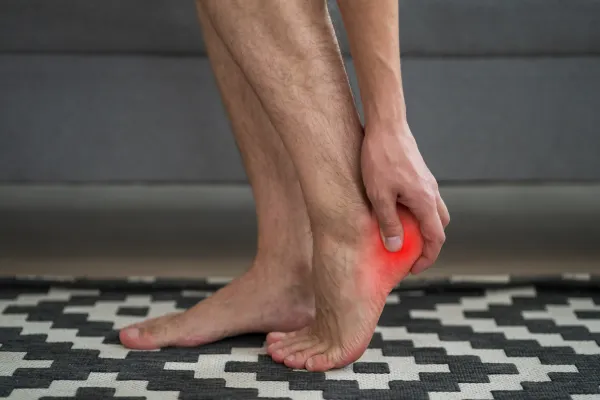
How Podiatry Care Helps With Chronic Heel Pain in Dublin 9
Understanding Chronic Heel Pain
Chronic heel pain is a common complaint among residents of Dublin, affecting daily activities and overall quality of life. At Mary Moore Podiatry, we recognize that this condition can stem from various underlying issues. If you're struggling with persistent heel discomfort, understanding its causes and treatment options can help you find relief.
What Causes Chronic Heel Pain?
Several factors can contribute to chronic heel pain, including:
Plantar Fasciitis: This is the most common cause of heel pain, resulting from inflammation of the plantar fascia, a thick band of tissue connecting your heel bone to your toes.
Achilles Tendinitis: Overuse or strain on the Achilles tendon can lead to pain at the back of the heel, commonly seen in athletes.
Heel Spurs: Calcium deposits that develop on the heel bone can cause sharp pain, especially during initial steps in the morning.
bursitis: Inflammation of the bursa, a fluid-filled sac that cushions the heel, can also lead to chronic pain.
Tarsal Tunnel Syndrome: Compression of the tibial nerve can cause numbness, tingling, and pain along the heel.
How Can I Treat Chronic Heel Pain?
Effective treatment for chronic heel pain often requires a multifaceted approach:
Rest and Ice: Reducing activity and applying ice can help relieve inflammation and alleviate pain.
Orthotic Devices: Custom orthotics can provide support, improve foot alignment, and relieve pressure on the heel.
Physical Therapy: Specific exercises and stretches can help strengthen the foot muscles and improve flexibility.
Medications: Non-steroidal anti-inflammatory drugs (NSAIDs) can reduce pain and inflammation.
Injections: Corticosteroid injections may be recommended for severe inflammation.
Surgery: In rare cases, surgical intervention may be required to correct structural issues or remove heel spurs.
What Should I Expect During a Podiatry Consultation?
When you visit Mary Moore Podiatry, our expert team will begin with a thorough assessment of your foot health. This includes:
Medical History Review: Discussing your heel pain history and any other relevant medical conditions.
Physical Examination: A comprehensive foot examination to assess pain points, posture, and gait analysis.
Diagnostic Imaging: In some cases, X-rays or MRIs may be used to identify underlying structural issues.
When Should I See a Podiatrist?
If you experience persistent heel pain that lasts more than a few weeks, or if the pain worsens over time, it’s important to seek professional care. Other warning signs include:
Swelling or redness around the heel
Pain that interferes with daily activities or sleep
Difficulty walking or standing
Signs of infection, such as fever or increased warmth
Can I Prevent Chronic Heel Pain?
Preventing chronic heel pain involves implementing good foot care habits, such as:
Choosing proper footwear with good arch support and cushioning.
Avoiding flat or worn-out shoes that provide inadequate support.
Maintaining a healthy weight to reduce stress on your feet.
Engaging in regular stretching and strengthening exercises for the feet and calves.
Frequently Asked Questions (FAQ)
1. What is the best home remedy for heel pain?
Rest, ice application, and gentle stretching can be effective home remedies to alleviate pain.
2. How long does recovery from plantar fasciitis take?
Recovery varies, but with proper treatment, many patients experience improvement within a few months.
3. Are there specific exercises for heel pain?
Yes, exercises that stretch the calf muscles and strengthen the foot can significantly help manage heel pain.
4. Can I walk on a heel spur?
While you can walk, doing so may aggravate the pain. Consulting with a podiatrist is advisable if you suspect a heel spur.
5. Does insurance cover podiatry visits?
Many insurance plans cover podiatry services. It's best to check with your provider for specific coverage details.
Conclusion
Chronic heel pain can significantly affect your quality of life, but effective treatment is available at Mary Moore Podiatry in Dublin. Our team is dedicated to helping you understand the underlying causes of your heel pain and developing a tailored treatment plan to address your specific needs. Don’t let heel pain control your life – schedule your appointment today and take the first step towards relief!

Ask Mary Moore Podiatry And Their Team
Fill in the form to request a call from our team. One of our team members will call you for FREE and answer any questions or concerns you may have about your condition
Our Clinic Locations
Glasnevin Clinic
If you have any questions before scheduling an appointment or for general inquiries, please use the contact us button below. Our team will promptly reach out to assist you.
Opening Hours
Monday: 8:30am - 7pm
Tuesday: 8:30am - 5pm
Wednesday: 8:30am - 6pm
Thursday: 8:30am - 7pm
Friday: 8:30am - 5pm
Saturday: Closed
Sunday: Closed

Donnybrook Foot Mechanics
If you have any questions before scheduling an appointment or for general inquiries, please use the contact us button below. Our team will promptly reach out to assist you.
Opening Hours
Monday: Closed
Tuesday: 9:30am - 5pm
Wednesday: 9:30am - 5pm
Thursday: Closed
Friday: Closed
Saturday: Closed
Sunday: Closed