
Tips & Advice From Mary Moore Podiatry
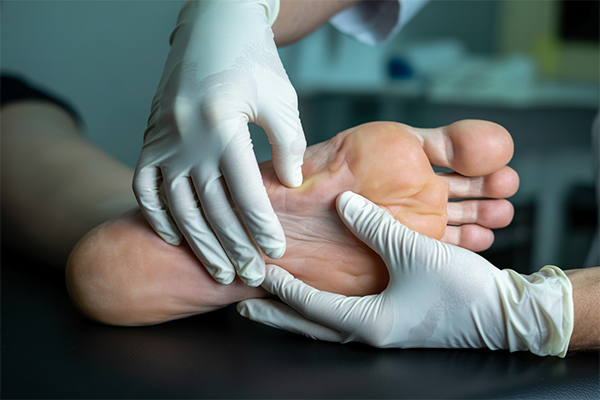
Daily Habits That Support Heel Health in Dublin 4
Introduction
Welcome to Mary Moore Podiatry in Dublin, where we understand the importance of maintaining healthy heels for overall foot health. Heel pain is a common condition that affects people of all ages, often resulting from daily habits and activities. In this blog post, we will explore daily habits that support heel health, offering evidence-based insights and practical tips for preventing and managing heel pain.
What Causes Heel Pain?
Heel pain can arise from various conditions, including:
Plantar Fasciitis: Inflammation of the plantar fascia, a thick band of tissue running across the bottom of your foot.
Achilles Tendinitis: Inflammation of the Achilles tendon, which connects the calf muscles to the heel bone.
Heel Spurs: Bony growths on the underside of the heel bone, often associated with plantar fasciitis.
Bursitis: Inflammation of the bursa, a fluid-filled sac near the heel joint.
These conditions can be exacerbated by poor footwear choices, overuse, inadequate stretching, and certain foot deformities like flat feet or high arches.
How Can I Treat Heel Pain at Home?
If you are experiencing heel pain, various at-home treatment options can provide relief:
Rest: Limit activities that put stress on your heels, especially running and jumping.
Icing: Apply ice packs to the affected area for 15-20 minutes, several times a day, to reduce inflammation.
Footwear: Wear well-fitted, supportive shoes that offer good arch support and cushioning.
Stretching Exercises: Regularly stretch your calf muscles, Achilles tendon, and plantar fascia to alleviate tension.
Orthotics: Consider using over-the-counter orthotic inserts to provide support and comfort.
What Daily Habits Support Heel Health?
Integrating healthy habits into your daily routine can significantly improve heel health:
1. Choose the Right Footwear
Always choose shoes that provide optimal support and cushioning. Avoid wearing high heels and flip-flops for extended periods as they lack adequate arch support.
2. Maintain a Healthy Weight
Excess body weight can increase the load on your feet, leading to heel pain. Maintaining a healthy weight through balanced nutrition and regular exercise can alleviate this pressure.
3. Incorporate Daily Stretching
Start your day with gentle foot and calf stretches to improve flexibility and reduce tension. Consider using a towel or a strap to assist in stretching your plantar fascia and calf muscles.
4. Avoid Prolonged Standing
If your job requires standing for long periods, take frequent breaks to sit and elevate your feet. This can help reduce swelling and discomfort.
5. Stay Hydrated
Proper hydration supports joint health and helps your body recover from physical activity. Aim to drink adequate water throughout the day, especially when exercising.
How Can a Podiatrist Help?
If your heel pain persists despite home care, it may be time to consult a podiatrist. At Mary Moore Podiatry, we offer comprehensive evaluations to diagnose heel pain accurately. Our treatments may include:
Physiotherapy: Tailored exercises to strengthen foot muscles and improve flexibility.
Custom Orthotics: Prescription-grade inserts designed to correct foot imbalances.
Corticosteroid Injections: To relieve acute inflammation and pain.
Surgery: As a last resort for severe cases, such as chronic plantar fasciitis or significant heel spurs.
FAQs About Heel Health
1. What are the symptoms of plantar fasciitis?
The primary symptom is stabbing pain near the heel, especially with the first steps in the morning or after sitting for long periods.
2. Can I still exercise if I have heel pain?
Low-impact activities, such as swimming or cycling, can often be performed without aggravating heel pain. Always consult your podiatrist before continuing strenuous activities.
3. How long does it take to heal from heel pain?
Healing time varies depending on the underlying cause but can range from a few weeks to several months with proper care.
4. Are at-home treatments effective for heel pain?
Yes, at-home treatments like icing, stretching, and wearing proper footwear are often effective for managing mild to moderate heel pain.
5. When should I see a podiatrist for heel pain?
If pain persists for more than a few weeks, worsens, or is accompanied by swelling, it's advisable to seek professional evaluation and treatment.
Conclusion
By adopting healthy daily habits, you can significantly improve your heel health and reduce the risk of heel pain. At Mary Moore Podiatry in Dublin, we are here to help you navigate any foot issues you may face. Our expert team offers personalized treatment plans tailored to your needs. Don't let heel pain disrupt your life—book an appointment today!

Ask Mary Moore Podiatry And Their Team
Fill in the form to request a call from our team. One of our team members will call you for FREE and answer any questions or concerns you may have about your condition
Our Clinic Locations
Glasnevin Clinic
If you have any questions before scheduling an appointment or for general inquiries, please use the contact us button below. Our team will promptly reach out to assist you.
Opening Hours
Monday: 8:30am - 7pm
Tuesday: 8:30am - 5pm
Wednesday: 8:30am - 6pm
Thursday: 8:30am - 7pm
Friday: 8:30am - 5pm
Saturday: Closed
Sunday: Closed

Donnybrook Foot Mechanics
If you have any questions before scheduling an appointment or for general inquiries, please use the contact us button below. Our team will promptly reach out to assist you.
Opening Hours
Monday: Closed
Tuesday: 9:30am - 5pm
Wednesday: 9:30am - 5pm
Thursday: Closed
Friday: Closed
Saturday: Closed
Sunday: Closed