
Tips & Advice From Mary Moore Podiatry
Dublin 9 Podiatrist's Tips for Relieving Bunion Pain at Home
Dublin 9 Podiatrist's Tips for Relieving Bunion Pain at Home
Welcome to Mary Moore Podiatry, your trusted podiatric experts in Dublin. Bunion pain can be a persistent source of discomfort, affecting your day-to-day activities and overall quality of life. In this post, we’ll explore effective at-home strategies for alleviating bunion pain, with insights based on the latest medical findings.
What are Bunions?
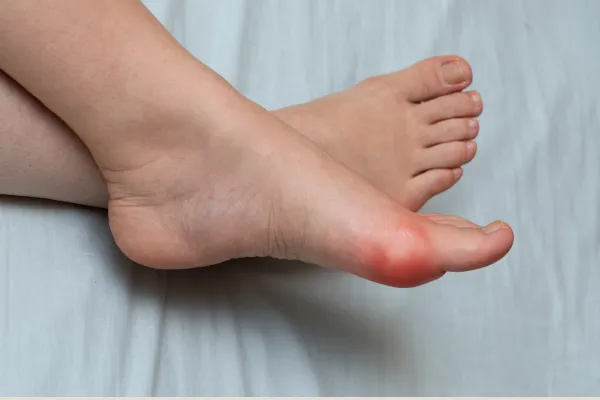
Bunions, known medically as hallux valgus, are bony protrusions that form at the base of the big toe. This condition can lead to discomfort, swelling, and difficulty in movement. Understanding the anatomy involved—specifically the first metatarsal and proximal phalanx—can help elucidate the causes and management of bunions.
What Causes Bunions?
Genetics: A family history of bunions typically increases your risk.
Footwear Choices: Shoes that constrict the toe box, especially high heels, can exacerbate bunions.
Foot Structure: Flat feet or overly flexible ligaments contribute to bunion formation.
Arthritis: Conditions like rheumatoid arthritis can lead to joint changes, prompting bunion development.
How Can I Treat Bunion Pain at Home?
While professional treatment from a podiatrist at Mary Moore Podiatry may be necessary for severe cases, there are several effective ways to manage bunion pain at home:
1. Ice Therapy
Applying ice to the bunion can reduce inflammation and numb the pain. Use an ice pack wrapped in a cloth for 15-20 minutes several times a day.
2. Wear Appropriate Footwear
Choose shoes with a wide toe box that provide ample room for your toes. Avoid high heels or tight-fitting shoes that can worsen bunion symptoms.
3. Foot Pads and Cushions
Using bunion pads and orthotic inserts can relieve pressure on the bunion and improve foot alignment. Make sure to select products specifically designed for bunions.
4. Stretching Exercises
Incorporating stretching exercises into your routine can help maintain toe flexibility. Consider the following:
Toe Stretch: Sit down, place your foot on your opposite thigh, and gently push your big toe in the opposite direction of the bunion.
Calf Stretches: Stretching the calf muscles can improve overall foot alignment. Stand facing a wall, place your hands against it, and extend one leg back, keeping it straight while bending the front knee.
5. Over-the-Counter Pain Relief
Nonsteroidal anti-inflammatory drugs (NSAIDs), like ibuprofen or naproxen, can help reduce pain and swelling. Always consult with a healthcare provider before starting any medication, especially if you have underlying health conditions.
When Should I See a Podiatrist?
If home remedies do not alleviate bunion pain, or if your bunion worsens—becoming more painful, red, or swollen—it’s essential to consult a podiatrist. At Mary Moore Podiatry, we offer comprehensive evaluations and custom treatment plans tailored to your specific needs.
Frequently Asked Questions (FAQ)
1. Can bunions go away on their own?
Unfortunately, bunions do not resolve without intervention. Proper care can alleviate pain but may not eliminate the bunion.
2. Are bunions hereditary?
Yes, bunions can run in families, suggesting a genetic predisposition to the condition.
3. What types of shoes should I avoid if I have bunions?
Avoid shoes with pointed toes, high heels, or narrow footbeds. Look for supportive footwear with a good fit.
4. How can I prevent bunions from getting worse?
Regularly wearing appropriate footwear, maintaining toe flexibility through exercises, and avoiding prolonged standing can help prevent worsening symptoms.
5. What treatments does a podiatrist offer for bunions?
Podiatrists may recommend custom orthotics, physical therapy, or in severe cases, surgical options for bunion correction.
Conclusion
Living with bunion pain can be challenging, but the tips shared in this blog post are designed to help you manage your symptoms from the comfort of your home. For a tailored treatment plan that addresses your specific conditions, we invite you to contact Mary Moore Podiatry, your trusted podiatrist in Dublin. Take the first step towards relief by booking an appointment with us here.

Ask Mary Moore Podiatry And Their Team
Fill in the form to request a call from our team. One of our team members will call you for FREE and answer any questions or concerns you may have about your condition
Our Clinic Locations
Glasnevin Clinic
If you have any questions before scheduling an appointment or for general inquiries, please use the contact us button below. Our team will promptly reach out to assist you.
Opening Hours
Monday: 8:30am - 7pm
Tuesday: 8:30am - 5pm
Wednesday: 8:30am - 6pm
Thursday: 8:30am - 7pm
Friday: 8:30am - 5pm
Saturday: Closed
Sunday: Closed

Donnybrook Foot Mechanics
If you have any questions before scheduling an appointment or for general inquiries, please use the contact us button below. Our team will promptly reach out to assist you.
Opening Hours
Monday: Closed
Tuesday: 9:30am - 5pm
Wednesday: 9:30am - 5pm
Thursday: Closed
Friday: Closed
Saturday: Closed
Sunday: Closed