
Tips & Advice From Mary Moore Podiatry
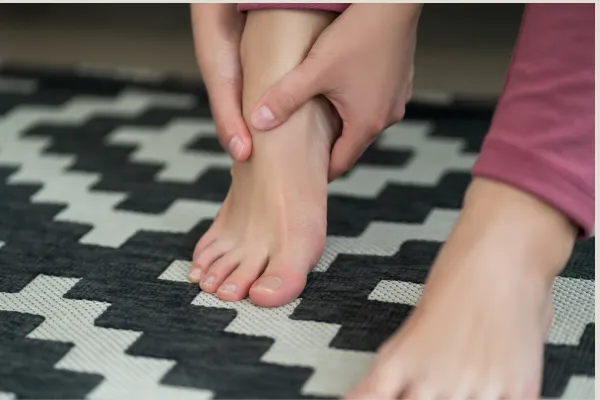
Is It Plantar Fasciitis or Something Else? When to Get a Professional Opinion
Understanding Your Foot Pain: Is It Plantar Fasciitis or Something Else?
If you’re experiencing persistent heel or foot pain, you may be wondering whether it could be plantar fasciitis or another condition. At Mary Moore Podiatry in Dublin, we understand how debilitating foot pain can be, and we're here to provide clarity and support. In this article, we will explore the signs, symptoms, and causes of plantar fasciitis, as well as how to differentiate it from other common foot conditions.
What is Plantar Fasciitis?
Plantar fasciitis is an inflammatory condition affecting the plantar fascia, a band of tissue that runs along the bottom of your foot, connecting your heel bone to your toes. This condition is characterized by pain at the bottom of the heel and can make walking difficult.
What Causes Plantar Fasciitis?
Overuse: Frequent activities such as running, walking, or standing for prolonged periods can lead to stress on the plantar fascia.
Foot Mechanics: Flat feet, high arches, or abnormal walking patterns can increase the risk of developing plantar fasciitis.
Age: The risk of plantar fasciitis increases as you age, particularly for those over 40.
Obesity: Excess body weight can add stress to the plantar fascia.
Footwear: Wearing shoes that lack proper arch support or cushioning can contribute to this condition.
How Can I Identify Plantar Fasciitis?
The primary symptom of plantar fasciitis is a sharp pain in the heel, especially noticeable with the first steps in the morning or after sitting for an extended period. You might also experience:
Stiffness in the foot, especially after activity.
Increased pain after prolonged standing or walking.
Swelling at the heel.
When to Consider Other Conditions
While plantar fasciitis is a common cause of heel pain, other conditions may present with similar symptoms. It's important to be aware of these to ensure appropriate treatment:
Achilles Tendinitis: This condition affects the Achilles tendon at the back of the heel and can cause pain during motion, particularly when walking or running.
Heel Spurs: Growth of bony protrusions on the heel can accompany plantar fasciitis but may also be an independent cause of pain.
Bursitis: Inflammation of the bursa in the foot can lead to pain at the heel and around the ankle.
Neuromas: A pinched nerve in the foot can cause similar pain sensations, requiring different treatment approaches.
Stress Fractures: Small cracks in the bone, often due to overuse, can cause significant pain and require medical evaluation.
How Can I Treat Plantar Fasciitis?
If you suspect you have plantar fasciitis, several treatment options are available, which can be tailored depending on the severity of your condition:
Rest: Reducing activity levels can help alleviate symptoms.
Ice Therapy: Applying ice to the affected area can reduce inflammation and pain.
Stretching Exercises: Specific exercises for the Achilles tendon and plantar fascia can improve flexibility and reduce tension.
Orthotics: Custom arch supports can provide added stability and support for your foot.
Physical Therapy: A podiatrist may recommend a therapist that can guide you through strengthening and stretching techniques.
Surgical Options: If conservative treatments fail, surgical intervention may be considered as a last resort.
When to Seek a Professional Opinion
Consult with a podiatrist at Mary Moore Podiatry if:
Your pain persists despite treatment at home.
The heel pain worsens over time.
You experience severe swelling, redness, or warmth near the heel.
You have a history of diabetes or circulatory issues affecting your feet.
You have difficulty walking or completing daily activities due to pain.
FAQ
1. How long does plantar fasciitis last?
Symptoms can improve within a few weeks to months with appropriate treatment, but chronic cases may take longer to resolve.
2. Can plantar fasciitis go away on its own?
In many cases, plantar fasciitis can improve with self-care strategies, but persistent pain should be evaluated by a professional.
3. Are there exercises I can do at home for plantar fasciitis?
Yes, stretching the calf muscles and plantar fascia through dedicated exercises can be highly beneficial.
4. Is there a specific footwear recommended for plantar fasciitis?
Supportive shoes with good arch support and cushioning are crucial. Avoid flat or worn-out shoes.
5. Can I continue exercising with plantar fasciitis?
Low-impact activities such as swimming or cycling may be suitable, but consult your podiatrist for personalized recommendations.
Schedule Your Appointment Today
If you are experiencing foot pain and are unsure whether it is plantar fasciitis or another condition, don't hesitate to seek professional advice. At Mary Moore Podiatry in Dublin, our team is committed to helping you achieve optimal foot health. Book an appointment today and take the first step towards relieving your foot pain.

Ask Mary Moore Podiatry And Their Team
Fill in the form to request a call from our team. One of our team members will call you for FREE and answer any questions or concerns you may have about your condition
Our Clinic Locations
Glasnevin Clinic
If you have any questions before scheduling an appointment or for general inquiries, please use the contact us button below. Our team will promptly reach out to assist you.
Opening Hours
Monday: 8:30am - 7pm
Tuesday: 8:30am - 5pm
Wednesday: 8:30am - 6pm
Thursday: 8:30am - 7pm
Friday: 8:30am - 5pm
Saturday: Closed
Sunday: Closed

Donnybrook Foot Mechanics
If you have any questions before scheduling an appointment or for general inquiries, please use the contact us button below. Our team will promptly reach out to assist you.
Opening Hours
Monday: Closed
Tuesday: 9:30am - 5pm
Wednesday: 9:30am - 5pm
Thursday: Closed
Friday: Closed
Saturday: Closed
Sunday: Closed