Tips & Advice From Mary Moore Podiatry
Partial vs Full Nail Removal: Which Ingrown Toenail Surgery Is Right for You in Dublin?
Understanding Ingrown Toenails
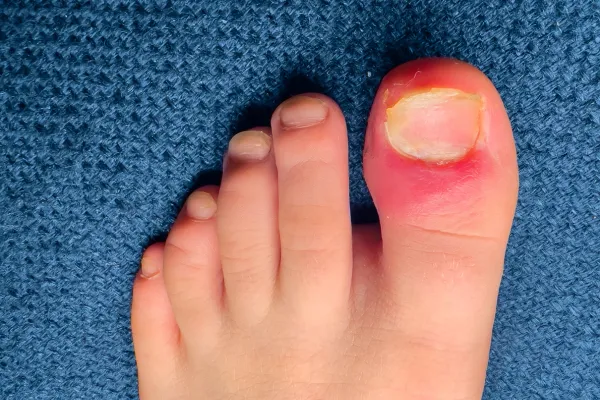
Ingrown toenails, medically known as onychocryptosis, occur when the edges of a toenail grow into the surrounding skin. This condition can lead to pain, inflammation, and infection. It is particularly common in the big toe and can be caused by a variety of factors, including improper nail trimming, wearing tight footwear, or trauma to the toe. At Mary Moore Podiatry in Dublin, we understand the discomfort ingrown toenails can cause and offer effective surgical options to provide relief.
What Are the Treatment Options for Ingrown Toenails?
When conservative treatments fail, surgical intervention may be necessary. Two common procedures for treating ingrown toenails are partial nail removal and full nail removal. Each method has its advantages and indications based on the severity of the condition.
What Is Partial Nail Removal?
Partial nail removal involves surgically excising only the affected portion of the toenail. This procedure is often recommended for patients with localized ingrown toenails that do not affect the entire nail. The benefits of this method include:
Preservation of most of the nail structure, promoting aesthetics.
Less recovery time compared to full nail removal.
Lower risk of complications and post-operative pain.
During the procedure, local anesthesia is administered to numb the toe. After the affected portion is removed, it is typically treated with a chemical agent (such as phenol) to prevent regrowth of the problematic edge. Patients can often return to their usual activities within a week.
What Is Full Nail Removal?
Full nail removal, also known as total nail avulsion, is the complete excision of the toenail. This option may be necessary in cases where:
The ingrown toenail is recurrent and causes significant pain.
There is extensive infection or damage to the surrounding tissue.
Partial nail removal would not adequately resolve the issue.
This procedure involves similar local anesthesia as partial removal. After the entire nail is removed, the underlying nail bed may be treated to prevent future nail regrowth, depending on the underlying reasons for the ingrown toenail. Recovery can take longer, typically around 6 to 8 weeks. However, it can provide a permanent solution for recurrent ingrown toenails.
How Do I Decide Between Partial and Full Nail Removal?
The decision between partial and full nail removal should be made in consultation with a podiatrist at Mary Moore Podiatry. Factors influencing the choice may include:
The severity and location of the ingrown toenail.
Patient's medical history and foot structure.
Frequency of past ingrown toenails.
A detailed examination and possibly imaging studies can help determine the best course of action. Remember, early intervention often leads to the best outcomes.
What Happens During the Surgery?
The surgical procedure for both partial and full nail removal is straightforward:
You will be asked to sit comfortably while the area is prepared.
Local anesthetic will be injected to ensure you feel no pain.
Once numb, the surgeon performs the removal of the toenail.
The area is then cleaned and dressed to promote healing.
What Can I Expect After Surgery?
Post-surgery, you might experience mild discomfort, swelling, and redness around the surgical site. Here’s what you can do to aid recovery:
Keep the toe clean and dry.
Wear loose, comfortable shoes.
Take prescribed pain relief as needed.
Monitor for increased redness, swelling, or drainage that could indicate infection.
A follow-up appointment may be necessary to assess healing and discuss any further treatments.
FAQs About Ingrown Toenail Surgery
1. Is ingrown toenail surgery painful?
Most patients report minimal pain during the procedure due to local anesthesia, though some discomfort may occur post-surgery. Over-the-counter pain relief is often sufficient.
2. How long is the recovery period for ingrown toenail surgery?
Recovery time varies; partial removal may take about a week, while full removal can take 6 to 8 weeks for the nail bed to heal fully.
3. Will my toenail grow back after surgery?
In cases of partial removal, the toenail typically grows back. However, full nail removal may lead to permanent absence of the nail or changes in nail shape.
4. Can I drive after having an ingrown toenail removed?
It's best to avoid driving immediately after surgery due to numbness from anesthesia. Generally, you can return to driving once you are comfortable and the toe is healing.
5. How can I prevent ingrown toenails from recurring?
Preventing ingrown toenails involves proper nail trimming, wearing appropriate footwear, and maintaining foot hygiene. Regular consultations with a podiatrist can help monitor foot health.
Conclusion
Choosing between partial and full nail removal for an ingrown toenail should be a tailored decision based on individual circumstances. At Mary Moore Podiatry in Dublin, our experienced podiatrists are here to help you navigate your options and provide the best care. If you are experiencing discomfort from an ingrown toenail, don’t hesitate to book an appointment with us today.

Ask Mary Moore Podiatry And Their Team
Fill in the form to request a call from our team. One of our team members will call you for FREE and answer any questions or concerns you may have about your condition
Our Clinic Locations
Glasnevin Clinic
If you have any questions before scheduling an appointment or for general inquiries, please use the contact us button below. Our team will promptly reach out to assist you.
Opening Hours
Monday: 8:30am - 7pm
Tuesday: 8:30am - 5pm
Wednesday: 8:30am - 6pm
Thursday: 8:30am - 7pm
Friday: 8:30am - 5pm
Saturday: Closed
Sunday: Closed
Donnybrook Foot Mechanics
If you have any questions before scheduling an appointment or for general inquiries, please use the contact us button below. Our team will promptly reach out to assist you.
Opening Hours
Monday: Closed
Tuesday: 9:30am - 5pm
Wednesday: 9:30am - 5pm
Thursday: Closed
Friday: Closed
Saturday: Closed
Sunday: Closed