
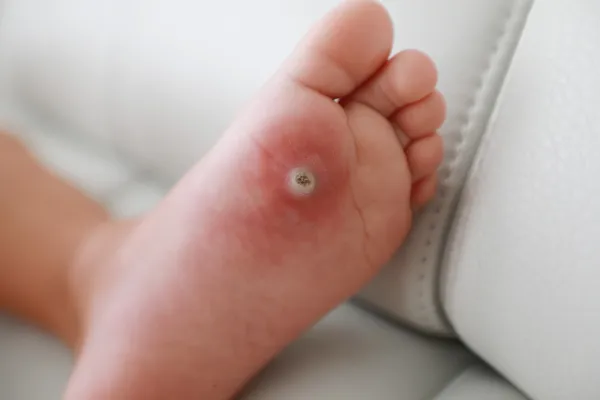
Why Do Some People Get Warts More Than Others?
Introduction
At Mary Moore Podiatry in Dublin, we understand that warts can be a source of discomfort and concern for many individuals. These benign skin growths, caused by the human papillomavirus (HPV), can appear on various parts of the body, with the feet being a common site. This article explores why some people are more prone to developing warts than others, providing insight backed by medical research.
What Causes Warts?
Warts are caused by an infection with the human papillomavirus (HPV), which enters the body through small cuts or broken skin. The virus stimulates rapid growth of the outer layer of skin, creating a wart. Various factors contribute to the likelihood of HPV infection, including:
Immune System Response: Individuals with weakened immune systems are more susceptible to HPV infections.
Age: Children and teenagers, especially those between 12 and 16 years old, are more likely to get warts due to their still-developing immune systems.
Personal Habits: Frequenting communal areas like swimming pools or gyms increases exposure to HPV.
Skin Conditions: Existing skin conditions, such as eczema or psoriasis, may allow easier entry for the virus.
Why Do Some People Get Warts More Than Others?
The variation in susceptibility to warts mainly hinges on individual immune responses and exposure factors. Here are some reasons why certain people may experience a higher incidence of warts:
Genetics: Some individuals may inherit a genetic predisposition that makes their skin more susceptible to viral infections, including HPV.
Hygiene Practices: Poor hygiene can lead to greater risk. Individuals who do not practice good foot care may be more likely to develop plantar warts, which appear on the soles of the feet.
Previous Infection: A history of HPV infections can increase the likelihood of developing warts again due to the body's previous exposure to the virus.
How Can I Treat Warts?
Treatment options for warts depend on their location and the severity of the infection. Here are common treatment methods used at Mary Moore Podiatry:
Topical Treatments: Over-the-counter options such as salicylic acid can help peel away the wart layer.
Cryotherapy: This method involves freezing the wart with liquid nitrogen, effectively destroying the wart tissue.
Laser Therapy: For persistent warts, laser therapy may be an effective option to eliminate the wart.
Surgical Removal: In cases where warts are resistant to other treatments, minor surgical procedures may be necessary.
Preventing Warts
While it is sometimes unavoidable to contract HPV, certain preventive measures can reduce the risk of wart formation. Here are some practical tips:
Practice Good Foot Hygiene: Wash and dry your feet thoroughly, particularly between the toes.
Avoid Sharing Personal Items: Do not share towels, socks, or footwear with others.
Use Footwear in Public Areas: Wear flip-flops or water shoes in communal showers or pools to minimize exposure.
Strengthen Your Immune System: Maintain a healthy diet, exercise regularly, and get adequate sleep to help your body fend off infections.
When to Seek Professional Help
If you have recurring warts or if they cause significant pain or discomfort, it's essential to seek professional help. A podiatrist can provide a detailed diagnosis and recommend suitable treatment options tailored to your needs. At Mary Moore Podiatry in Dublin, our experienced team is here to assist you with all your foot health concerns.
Frequently Asked Questions (FAQ)
1. Are warts contagious?
Yes, warts are contagious and can spread through direct contact with an infected person or by touching surfaces that have the virus on them.
2. Can warts go away on their own?
In many cases, warts can resolve on their own as the immune system fights off the virus. However, this process can take several months or even years.
3. Are there any home remedies for warts?
Some people find success with home remedies such as vinegar or duct tape; however, these are not scientifically proven methods and may not be effective for all individuals.
4. Can warts come back after treatment?
Yes, warts can come back even after successful treatment, as the HPV virus can remain in your body.
5. How can I differentiate between a wart and a corn?
Warts typically have a rough surface and may have tiny black dots, while corns are generally smooth and hard and are often formed due to pressure on the feet.
Conclusion
Understanding why some individuals are more prone to warts can help you take preventive measures and seek appropriate treatment when necessary. If you are struggling with warts or have any concerns about your foot health, contact Mary Moore Podiatry in Dublin. Our dedicated team is ready to provide expert advice and care tailored to your needs. Book your appointment today!