
Why Corns Can Be So Painful in Certain Spots
Understanding Corns: Why They Can Be So Painful
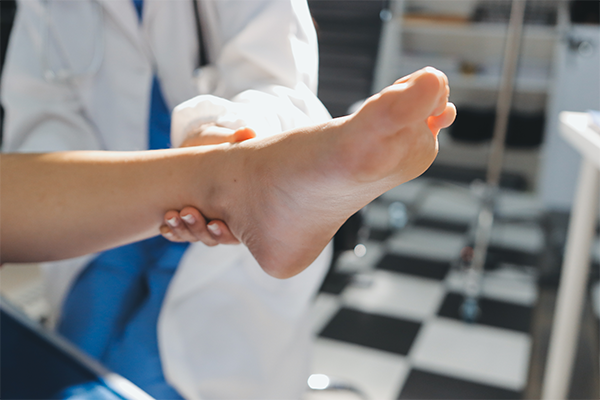
Corns are small, thickened areas of skin that develop as a response to friction or pressure, typically on the feet. At Mary Moore Podiatry in Dublin, we frequently encounter patients suffering from corns, particularly due to their painful nature, depending on their location on the foot. Understanding why corns can become particularly painful in certain spots is crucial for effective treatment and prevention.
What Causes Corns?
Corns form when the body attempts to protect areas of the skin from excessive pressure or friction. This is particularly common in the following situations:
- Footwear: Ill-fitting shoes that are too tight or too loose can lead to corns forming on the toes, heels, or sides of the feet.
- Foot Anatomy: Structural abnormalities like bunions or hammertoes can create uneven pressure on specific spots of the foot, causing corns.
- Activity Levels: Excessive walking or running, particularly on hard surfaces, increases friction on certain areas, prompting corn formation.
- Moisture and Sweat: Excess moisture can make the skin more susceptible to friction, leading to corn development.
Why Do Certain Spots Hurt More?
The pain associated with corns often varies based on their location on the foot:
- Top of Toes: Corns that develop on the top of the toes may hurt when wearing shoes or when the toes flex during walking.
- Between Toes: Soft corns can develop between the toes, where moisture accumulates. This location can lead to increased irritation.
- Ball of the Foot: Corns on the ball, often caused by high heels or certain foot shapes, can be extremely painful with every step, as they bear significant weight.
- Heels: Corns on the heel can be particularly painful due to the high level of pressure placed on this area while standing or walking.
How Can I Treat Corns?
Treating corns often requires a combination of self-care practices and professional intervention. Here are some recommended treatment methods:
- Footwear Modifications: Switching to properly fitted shoes can alleviate pressure. Look for shoes with sufficient toe room and cushioning.
- Padding: Corn pads or protective bandages can relieve pressure on the affected areas while they heal.
- Moisturising: Keeping the skin hydrated with foot creams can soften the corns and surrounding areas, making them less painful.
- Regular Podiatrist Visits: Professional treatment by a podiatrist, such as debridement (removal of the thickened skin) or custom orthotics to correct foot mechanics, can be very effective.
Preventing Corns from Reoccurring
Prevention is always better than cure. Here are some strategies to prevent the formation of corns:
- Choose the Right Footwear: Ensure that your shoes fit well and suit your daily activities.
- Use Custom Orthotics: Consider getting orthotics from a podiatrist if you have foot structure issues.
- Regular Foot Care: Maintain proper foot hygiene and skin care routine to keep your feet healthy and resilient.
- Limit Friction: Use moisture-wicking socks and keep your feet dry to minimize the risk of corns.
When Should I See a Podiatrist?
If you notice persistent pain in your corns, or if there are signs of infection (such as redness, swelling, or discharge), it’s time to consult a professional. At Mary Moore Podiatry, we provide comprehensive assessments to identify the underlying causes of your corn discomfort and propose tailored treatment plans.
Frequently Asked Questions (FAQ)
1. Can corns go away on their own?
In some cases, corns may shrink or disappear if the source of friction or pressure is eliminated. However, if they are painful or recurring, professional treatment is recommended.
2. Are corns dangerous?
Corns themselves are not dangerous, but they can lead to complications such as infections, especially in individuals with diabetes or circulatory issues.
3. What is the difference between corns and calluses?
Corns are typically smaller and more localized than calluses, which are larger and often found on weight-bearing areas of the feet.
4. Can I remove corns at home?
While some people may attempt to remove corns at home using over-the-counter products, it is always safest to consult with a podiatrist to avoid complications.
5. How often should I see a podiatrist for corns?
It depends on the severity of your condition. Regular check-ups, especially if you have chronic corns or diabetes, can help manage foot health effectively.
Conclusion
If you're experiencing pain from corns, it's important to seek professional advice. At Mary Moore Podiatry in Dublin, we're dedicated to helping you understand and manage your foot health, ensuring you can move comfortably. Book an appointment with us today to discuss your symptoms and explore treatment options tailored to your needs!