
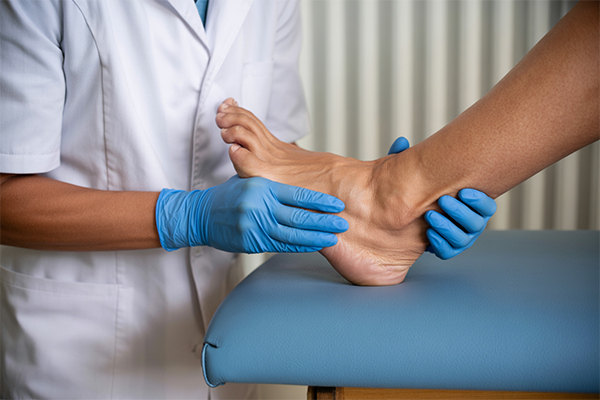
Why Bunions Can Affect More Than Just Your Big Toe
Understanding Bunions: More Than Just a Big Toe Problem
Bunions, also known as hallux valgus, are a common foot condition that can significantly impact your quality of life. At Mary Moore Podiatry in Dublin, we understand that bunions can be more than just a cosmetic concern; they can cause pain and lead to other complications in the feet and body. This post delves into why bunions affect more than just your big toe and how our expert team can support your journey to better podiatric health.
What Causes Bunions?
Bunions develop as the big toe gradually deviates towards the second toe, causing a bony bump at the base of the big toe. Several factors contribute to the formation of bunions:
- Genetics: A family history of bunions can increase the risk.
- Foot Structure: Individuals with flat feet or abnormal foot biomechanics may be more prone to developing bunions.
- Footwear: Wearing tight or high-heeled shoes can exacerbate the condition.
- Injury: Previous injuries to the foot can lead to bunion development.
How Do Bunions Affect Overall Foot Health?
While bunions primarily affect the big toe, their impact often extends to the overall health of your feet:
- Altered Gait: Bunions can result in an uneven gait, leading to additional stress on other joints such as the knees, hips, and lower back.
- Increased Pain: As bunions progress, they can cause inflammation and pain in the metatarsal joint, resulting in conditions like bursitis or arthritis.
- Calluses and Corns: The misalignment caused by bunions can lead to additional pressure points on the foot, resulting in calluses and corns.
- Compromised Balance: Changes in foot structure and function can lead to balance issues, increasing the risk of falls.
What Are the Symptoms of Bunions?
Bunions can present various symptoms beyond just the visible bump. Common symptoms include:
- Pain or tenderness in the big toe or foot.
- Swelling and redness around the joint.
- Restricted movement of the big toe.
- Difficulty finding comfortable footwear.
- Formation of corns or calluses on the foot.
How Can I Treat Bunions?
Treatment for bunions can vary based on severity. Here are some common approaches:
Conservative Treatments
- Footwear Modification: Opting for shoes with a wide toe box can alleviate pressure on the bunion.
- Orthotics: Custom orthotic devices may help distribute weight more evenly and reduce pain.
- Physical Therapy: Strengthening and stretching exercises can improve foot mechanics.
- Ice Therapy: Applying ice can reduce swelling and discomfort.
- Over-the-Counter Pain Relief: Nonsteroidal anti-inflammatory drugs (NSAIDs) can help manage pain.
Surgical Options
If conservative treatments do not provide relief, surgical intervention may be necessary. Common procedures include:
- Osteotomy: Realigning the bones of the big toe to correct the deformity.
- Exostectomy: Removing the bony bump on the toe.
- Fusion: Joining bones in the affected joint to stabilize it.
Can Bunions Affect My Overall Health?
Yes, bunions can have a ripple effect beyond just foot pain. The alteration in walking patterns due to discomfort may affect various body systems:
- Posture Issues: Bunions can lead to compensatory changes in posture that may result in spinal alignment issues.
- Increased Injury Risk: Improper alignment increases the risk of sports injuries, especially in athletes.
- Joint Pain: Bunions often lead to arthritis in surrounding joints, which can cause chronic pain.
Conclusion
Bunions are more than just a big toe issue; they can affect your entire foot health and overall wellbeing. At Mary Moore Podiatry in Dublin, our team is committed to helping you manage and treat bunions effectively. With personalized care and treatment plans, we aim to alleviate your symptoms and improve your quality of life. Reach out to us today by booking your consultation!
FAQs About Bunions
1. Are bunions hereditary?
Yes, bunions often run in families, indicating a genetic predisposition to the condition.
2. Can bunions be prevented?
Wearing appropriate footwear and using orthotics can help prevent the progression of bunions.
3. At what age do bunions typically develop?
Bunions can develop at any age, but they are most commonly seen in adults, particularly women.
4. Is surgery the only option for bunions?
No, many individuals find relief through conservative treatments, but surgery may be necessary for severe cases.
5. Can bunions come back after surgery?
While surgery can correct bunions, factors like foot structure and poor footwear choices can lead to recurrence.