
Toe Joint Pain? A Dublin 9 Specialist Explains Causes
Understanding Toe Joint Pain with Mary Moore Podiatry in Dublin
Toe joint pain can significantly disrupt daily activities and impact overall quality of life. At Mary Moore Podiatry, located in Dublin, we understand that various factors could contribute to this discomfort. This article aims to elucidate the potential causes of toe joint pain while offering insights into effective treatment options.
What Causes Toe Joint Pain?
Toe joint pain may stem from a variety of causes, each with distinct characteristics and treatment needs. The most common causes include:
- Arthritis: This is inflammation of the joints, often leading to pain and stiffness. Types include osteoarthritis and rheumatoid arthritis.
- Gout: A type of arthritis that occurs when uric acid crystals build up in the joints, particularly affecting the big toe.
- Bunions: These are bony bumps that develop at the base of the big toe, causing pain and swelling around the joint.
- Sesamoiditis: Inflammation of the sesamoid bones under the big toe joint can lead to significant pain, especially during activities that place weight on the toe.
- Plantar Fasciitis: While primarily causing heel pain, this condition can also lead to discomfort in the toes due to referred pain.
- Foot Injuries: Fractures or sprains from sports or accidents frequently result in toe joint pain.
How Can I Diagnose the Cause of My Toe Joint Pain?
Diagnosis begins with a comprehensive evaluation at Mary Moore Podiatry. We will conduct:
- A detailed medical history review to identify any underlying conditions.
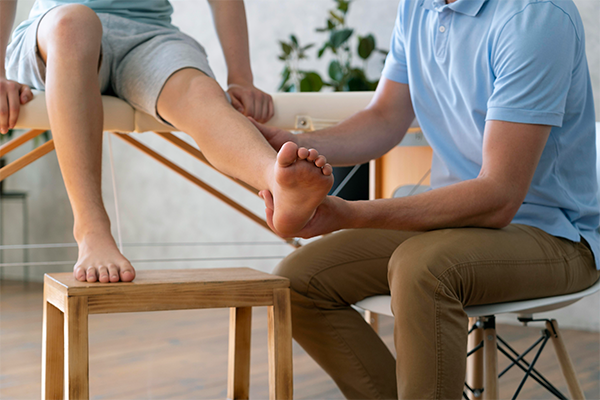
- A physical examination to assess the affected toe joint and surrounding areas.
- Imaging tests, such as X-rays or MRIs, to get a clearer picture of any bone or joint abnormalities.
What Treatments are Available for Toe Joint Pain?
Effective treatment depends on the underlying cause of the pain. Some common treatment options include:
- Rest and Ice: Resting the affected toe and applying ice can help reduce inflammation and pain.
- Medication: Over-the-counter pain relievers like ibuprofen or acetaminophen can provide symptom relief. In more severe cases, a doctor may prescribe stronger anti-inflammatory medications.
- Physical Therapy: Engaging in physical therapy can strengthen the muscles surrounding the toe joint and increase range of motion.
- Orthotics: Customized footwear or orthotic devices can help alleviate pressure on the toe joint.
- Surgery: In cases of severe pain or deformity, surgical interventions may be necessary to correct the issue.
How Can Preventing Toe Joint Pain be Achieved?
Preventive care plays a crucial role in managing toe joint pain. Here are some effective strategies:
- Footwear Selection: Choosing shoes with proper fit, arch support, and a wide toe box can reduce the risk of developing joint pain.
- Regular Foot Checks: Especially for those with diabetes or other systemic conditions, regular foot examinations can help catch problems early.
- Maintain a Healthy Weight: Keeping excess weight off your feet can significantly decrease the stress on your joints.
- Stay Active: Regular low-impact exercises can improve joint flexibility and strength.
When Should I See a Podiatrist?
It’s essential to consult with a podiatrist if you experience:
- Persistent toe joint pain lasting more than a few days.
- Swelling that doesn’t respond to home treatments.
- Difficulties with walking or standing due to pain.
Frequently Asked Questions (FAQs)
1. Can toe joint pain be a sign of a more serious condition?
Yes, persistent toe joint pain could indicate underlying conditions such as arthritis or gout, necessitating a thorough evaluation.
2. How long does it take to recover from toe joint pain?
Recovery duration varies based on the cause and severity of the pain, ranging from a few days to several months. Early intervention often leads to quicker recovery.
3. Is surgery always necessary for toe joint pain?
No, most cases can be managed with conservative treatments. Surgery is generally reserved for significant structural issues or when conservative methods fail.
4. Are there any home remedies for toe joint pain?
Applying ice, resting the foot, and taking anti-inflammatory medications can help manage symptoms at home, but consult a professional if pain persists.
5. How can I book an appointment at Mary Moore Podiatry?
Booking an appointment is easy! Simply visit our online booking system for a consultation.
Get the Help You Need Today!
If you have been experiencing toe joint pain, don’t wait for it to worsen. Reach out to us at Mary Moore Podiatry in Dublin for a comprehensive evaluation and tailored treatment plan. Book your appointment today!