
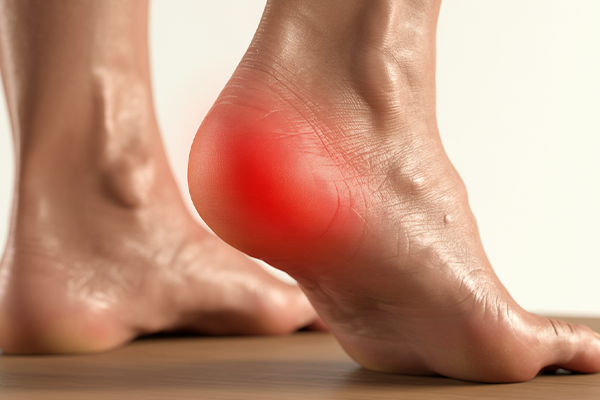
Podiatrist Dublin 9: Understanding Pressure-Related Pain
Podiatrist Dublin 9: Understanding Pressure-Related Pain
Pressure-related pain in the feet can significantly affect your daily life and mobility. At Mary Moore Podiatry in Dublin, we understand the complexities of foot pain and are dedicated to providing comprehensive care to our patients. In this article, we will explore the causes, symptoms, treatments, and prevention strategies regarding pressure-related pain, ensuring you have the information you need to maintain optimal foot health.
What Causes Pressure-Related Pain?
Pressure-related pain often stems from various foot conditions, injuries, or even underlying health issues. Common causes include:
- Plantar Fasciitis: Inflammation of the plantar fascia, the tissue that runs along the bottom of the foot, leading to heel pain and discomfort.
- Metatarsalgia: Pain in the ball of the foot, often caused by overuse, improper footwear, or foot deformities.
- Bunions: A bony bump at the base of the big toe that can create pressure and pain on the foot.
- Neuromas: Thickening of nerve tissue, commonly occurring between the toes, resulting in sharp, burning pain.
- Calluses and Corns: Thickened skin due to repeated friction or pressure that can become painful if left untreated.
How Does Anatomy Relate to Pressure-Related Pain?
The anatomy of the foot consists of 26 bones, 33 joints, and numerous muscles, ligaments, and tendons. This intricate structure is designed to support weight, maintain balance, and absorb shock. When pressure is exerted on certain areas, due to improper footwear or foot abnormalities, it can lead to pain and discomfort. Understanding this anatomy is essential for effective treatment and management of pressure-related pain.
How Can I Treat Pressure-Related Pain?
Effective treatment for pressure-related foot pain often involves a multifaceted approach:
- Footwear Modifications: Choosing shoes that provide adequate support and cushioning is crucial in reducing foot pain. Avoid high heels and choose footwear with a wide toe box.
- Orthotics: Custom-made orthotic insoles can alleviate pressure on specific areas of the foot, providing better alignment and comfort.
- Physical Therapy: A podiatrist may recommend specific exercises to strengthen foot muscles and improve flexibility.
- Medication: Over-the-counter non-steroidal anti-inflammatory drugs (NSAIDs) can help manage pain and inflammation.
- Surgery: In severe cases, surgical intervention may be necessary to correct structural issues or remove painful growths.
Are There Preventative Measures for Pressure-Related Pain?
Preventing pressure-related pain begins with good foot hygiene and appropriate care. Here are some practical tips:
- Choose the Right Shoes: Invest in well-fitting, supportive shoes that accommodate your foot shape.
- Maintain a Healthy Weight: Excess body weight increases pressure on your feet, leading to pain. Maintaining a healthy weight reduces this risk.
- Regular Foot Care: Spent some time inspecting your feet for any signs of pressure or discomfort.
- Stretch and Strengthen: Regularly stretch and strengthen your feet and calves to promote flexibility and prevent injuries.
- Consult a Podiatrist: Regular check-ups with a podiatrist can help catch potential issues before they develop into significant problems.
When Should I See a Podiatrist?
If you experience persistent foot pain or discomfort that interferes with your daily activities, it is essential to seek professional help. At Mary Moore Podiatry in Dublin, our expert team can provide personalized assessments and treatment options tailored to your needs. Prompt care can prevent further complications and help you return to your normal routine effectively.
Frequently Asked Questions (FAQ)
1. What types of shoes are best for preventing pressure-related pain?
Look for shoes with adequate arch support, cushioning, and a wide toe box. Avoid high heels and tight-fitting shoes to minimize pressure on the feet.
2. Can I treat foot pain at home?
Yes, you can manage mild foot pain at home using rest, ice, over-the-counter pain relievers, and proper footwear. However, persistent pain should be evaluated by a podiatrist.
3. How can orthotics help with foot pain?
Orthotics can correct biomechanical imbalances, distribute pressure evenly across the foot, and alleviate pain caused by conditions like flat feet or high arches.
4. Are there exercises I can do at home to relieve foot pain?
Gentle stretching exercises for the Achilles tendon and calves, as well as toe curls and foot rolls, can help alleviate discomfort and strengthen foot muscles.
5. What should I do if I have a bunion?
If you have a bunion, consult a podiatrist for proper management. Treatment options may include footwear modifications, orthotics, or, if necessary, surgical options.
If you’re experiencing pressure-related pain or have concerns about your foot health, don’t hesitate to contact Mary Moore Podiatry in Dublin. Our dedicated team is here to help you find relief and promote better foot health. Schedule your appointment today by visiting our booking link: Book Now.