
Podiatrist Dublin 9: Treating Common Foot Conditions Early
Podiatrist Dublin 9: Treating Common Foot Conditions Early
Welcome to Mary Moore Podiatry, your trusted podiatrist in Dublin 9. Our clinic is dedicated to diagnosing and treating common foot conditions that can cause pain and discomfort in your daily life. With early intervention, we can help you manage these conditions effectively and improve your overall foot health.
Understanding Common Foot Conditions
The human foot is a complex structure consisting of 26 bones, 33 joints, and numerous muscles, tendons, and ligaments. Unfortunately, with daily wear and tear, our feet can develop various conditions. Here are some of the most common foot disorders we encounter:
- Plantar Fasciitis: This condition involves inflammation of the plantar fascia, the thick band of tissue that runs along the bottom of the foot. Symptoms typically include heel pain, especially in the morning.
- Flat Feet: Also known as fallen arches, flat feet can lead to pain and discomfort in the feet and legs, causing issues with balance and pain during physical activity.
- Ingrown Toenails: When toenails grow into the surrounding skin, they can cause pain, redness, and swelling, often leading to infection if not treated.
- Achilles Tendinitis: This condition occurs when the Achilles tendon becomes inflamed, often due to overuse. Symptoms include pain in the back of the heel and stiffness, especially in the morning.
- Hammertoes: This deformity often affects the second, third, or fourth toes and can cause pain and difficulty when wearing shoes.
What Causes Foot Conditions?
Foot conditions can result from various factors, including:
- Improper Footwear: Shoes that do not provide adequate support can lead to foot pain and deformities.
- Overuse: Repetitive strain from activities like running or jumping can exacerbate conditions such as Achilles tendinitis.
- Genetics: Some individuals may have a family history of foot problems, making them more susceptible to certain conditions.
- Age: As we age, natural wear and tear can weaken the structures of the foot.
- Obesity: Excess weight increases stress on the feet and can contribute to conditions such as plantar fasciitis and flat feet.
How Can I Treat Common Foot Conditions?
At Mary Moore Podiatry in Dublin, we offer a comprehensive approach to treating foot conditions:
1. Initial Assessment
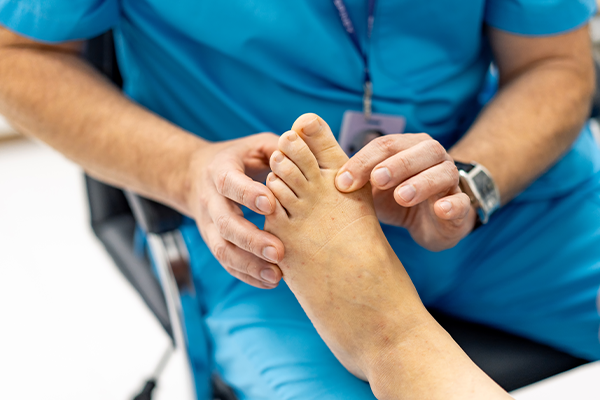
Your journey begins with a detailed assessment where we evaluate your foot health through a physical examination and discuss your symptoms. This step is crucial for a proper diagnosis.
2. Custom Treatment Plans
Once diagnosed, we develop a tailored treatment plan that may include:
- Orthotics: Custom-made insoles can provide additional support and alleviate foot pain.
- Physical Therapy: Exercises may be recommended to strengthen foot muscles, improve flexibility, and enhance overall function.
- Medication: Over-the-counter or prescription anti-inflammatory medications can help reduce pain and swelling.
- Surgical Options: In severe cases where conservative treatments fail, surgical intervention may be necessary.
- Foot Care Education: Proper foot care techniques and footwear advice are crucial for maintaining foot health.
When Should You See a Podiatrist?
It is essential to seek professional advice if you experience any of the following:
- Persistent foot pain that does not improve with rest or home care.
- Swelling, redness, or warmth surrounding the foot or ankle.
- Changes in skin color or temperature of the foot.
- Inability to walk normally due to pain or discomfort.
- Signs of infection, including pus, fever, or significant swelling.
FAQ
1. What are the symptoms of plantar fasciitis?
Common symptoms include sharp heel pain, stiffness, and discomfort during the first steps in the morning or after prolonged periods of sitting.
2. How can I prevent ingrown toenails?
To prevent ingrown toenails, ensure nails are cut straight across, wear properly fitted shoes, and maintain good foot hygiene.
3. What should I do if I have a hammertoe?
If you have a hammertoe, consult with a podiatrist for potential treatment options, such as custom orthotics or splinting to relieve pressure on the toe.
4. Is surgery always required for foot conditions?
No, many foot conditions can be successfully treated with conservative measures such as physical therapy, orthotics, and medication. Surgery is considered a last resort.
5. How often should I see a podiatrist?
It depends on your individual foot health needs. If you have chronic conditions or experience pain, regular visits every 6-12 months may be beneficial.
Conclusion
At Mary Moore Podiatry in Dublin, we believe in the importance of early detection and treatment of foot conditions. Taking care of your feet not only enhances your mobility but also improves your overall well-being. If you're experiencing foot pain or have concerns about your foot health, book an appointment with us today. Let’s work together to ensure your feet remain healthy and pain-free!