
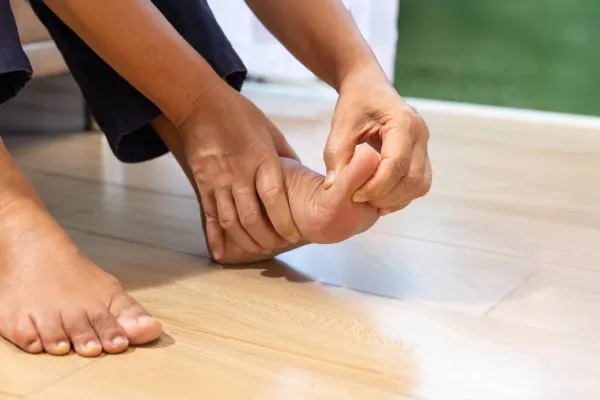
Pain Relief Tips for Plantar Fasciitis in Dublin 4
Pain Relief Tips for Plantar Fasciitis in Dublin 4
Welcome to Mary Moore Podiatry in Dublin, where we prioritize your foot health and comfort. If you're experiencing heel pain due to plantar fasciitis, you're not alone. This common condition can significantly impact your daily activities, but there are effective strategies to alleviate the discomfort and promote healing.
What is Plantar Fasciitis?
Plantar fasciitis is an inflammation of the plantar fascia, a thick band of tissue that runs across the bottom of your foot, connecting your heel bone to your toes. This condition often causes sharp heel pain, especially with the first steps in the morning or after prolonged periods of sitting.
What Causes Plantar Fasciitis?
Understanding the underlying causes can help in managing and preventing plantar fasciitis. Common factors include:
Overuse: Repetitive strain from high-impact activities, such as running or dancing.
Foot Mechanics: High arches, flat feet, or an abnormal walking pattern can increase stress on the plantar fascia.
Age: The risk of developing plantar fasciitis increases with age as the plantar fascia loses elasticity.
Obesity: Excess weight adds more stress to the plantar fascia.
Footwear: Wearing unsupportive shoes can contribute to the development of this condition.
How Can I Treat Plantar Fasciitis?
Treating plantar fasciitis requires a multifaceted approach. Here are effective strategies that can help relieve pain:
1. Rest and Modify Activities
Limit activities that aggravate the heel pain. Consider low-impact exercises, like swimming or cycling, to maintain fitness without stressing the plantar fascia.
2. Stretching Exercises
Regularly stretching your calf muscles and the plantar fascia can alleviate tightness. Effective stretches include:
Calf Stretch: Stand with your hands against a wall, step back with one foot, keeping it straight. Bend the front knee to feel a stretch in the rear leg's calf.
Plantar Fascia Stretch: Sit down, cross one leg over the other, and pull your toes back gently to stretch the arch of your foot.
3. Ice Therapy
Applying ice to the affected heel can reduce inflammation and numb the pain. Roll your foot on a frozen water bottle for about 15-20 minutes daily.
4. Proper Footwear
Wearing supportive shoes with cushioning can significantly alleviate stress on your plantar fascia. Look for footwear that has:
Good arch support
A cushioned sole
Stability features
5. Orthotics
Custom orthotic inserts can redistribute your weight correctly, alleviating pressure on the plantar fascia. Consult with us at Mary Moore Podiatry for tailored solutions.
6. Physical Therapy
A podiatric physical therapist can guide you through specific exercises and modalities designed to strengthen your foot muscles and improve flexibility.
7. Medications
Over-the-counter nonsteroidal anti-inflammatory drugs (NSAIDs) like ibuprofen can help reduce inflammation and alleviate pain temporarily. Always consult a healthcare professional before starting any medication.
8. Injections
In some cases, corticosteroid injections may be recommended to reduce severe inflammation when other treatments aren’t effective.
When Should I See a Podiatrist?
If your symptoms persist despite home care, it’s essential to seek professional guidance. Persistent pain might indicate a more severe condition or require advanced treatment options, including physical therapy, custom orthotics, or even surgical intervention in extreme cases.
FAQs About Plantar Fasciitis
Q: How long does it take to recover from plantar fasciitis?
A: Recovery can vary, but most individuals see improvement within a few months with proper care and rest.Q: Can plantar fasciitis return after treatment?
A: Yes, it can recur, especially if contributing factors such as improper footwear or biomechanical issues are not addressed.Q: Are there any exercises I should avoid?
A: Avoid activities that put excessive strain on your feet, such as running on hard surfaces, until you are pain-free.Q: Is surgery necessary for plantar fasciitis?
A: Surgery is rare and typically considered only after exhaustive non-surgical methods have failed.Q: What kind of shoes should I wear?
A: Look for shoes with good arch support, cushioning, and a proper fit to maintain foot health.
Conclusion
Plantar fasciitis can be a frustrating condition, but with the right approach, you can manage your symptoms and return to your daily activities pain-free. At Mary Moore Podiatry in Dublin, we are committed to helping you navigate through your foot health concerns. If you’re struggling with plantar fasciitis or have questions about your foot health, book an appointment today and take the first step toward relief.