
When Over-the-Counter Wart Treatments Fail: What’s Next?
Introduction
If you've been dealing with persistent warts on your feet, specifically plantar warts, you are not alone. Many people in Dublin and beyond try over-the-counter (OTC) wart treatments without success. At Mary Moore Podiatry, we understand how frustrating this can be and are here to guide you through the next steps. This article will cover the causes of warts, when OTC treatments might fail, and what advanced treatment options are available to you.
What Causes Warts?
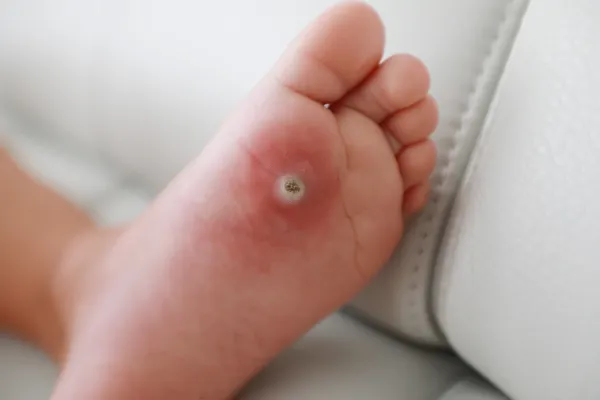
A wart, or verruca, is caused by the human papillomavirus (HPV), which typically enters the skin through small cuts or abrasions. Plantar warts are specifically located on the soles of the feet and can become painful when pressure is applied. They often appear as small, rough, raised areas with tiny black dots, which are actually small blood vessels.
Why Do Over-the-Counter Wart Treatments Fail?
Although OTC treatments like salicylic acid and cryotherapy can be effective for some individuals, they often fail for several reasons:
Deep-rooted warts: Plantar warts can extend deep into the skin, making it difficult for topical treatments to reach the root and eliminate the wart.
Type and strain of HPV: Different strains of HPV can cause varying reactions to treatments. Some strains may be more resistant to common OTC options.
Improper application: Failure to follow the instructions accurately can hinder the effectiveness of OTC treatments.
Immune response: Some individuals may have a weaker immune response, making it harder to fight off the virus.
Misdiagnosis: Sometimes, a lesion that appears to be a wart may actually be another skin condition, such as a corn or callus.
How Can I Treat Warts If OTC Options Fail?
Should your attempts with OTC treatments be unsuccessful, don't lose hope. There are several effective treatment options available at Mary Moore Podiatry in Dublin:
1. Cryotherapy
Cryotherapy involves freezing the wart with liquid nitrogen. This process causes blisters to form, and as they heal, the wart typically falls off. This treatment is quick, often conducted in the clinic, and has a good success rate.
2. Laser Therapy
In this method, a focused beam of light is used to eliminate the wart tissue. Laser therapy is less painful than surgical procedures and is typically used for warts that do not respond to other treatments.
3. Surgical Excision
If necessary, our podiatrists may recommend surgical excision to remove the wart completely. This method is usually reserved for larger or stubborn warts. Your podiatrist will ensure the area is numbed adequately for your comfort.
4. Immunotherapy
This approach aims to stimulate your immune system to fight off the virus causing the wart. Various techniques may be used, including intralesional injections of antigens or topical immune modulators.
Preventing Future Warts
After successful treatment, you may wonder how to prevent future warts. Here are some practical tips:
Keep your feet clean and dry.
Avoid walking barefoot in public areas like swimming pools and locker rooms.
Do not share personal items like shoes and socks.
Use foot powders to reduce moisture in your shoes and maintain good hygiene.
What Should I Do Next?
If over-the-counter wart treatments have failed you, it is important to take the next step in addressing your foot condition. At Mary Moore Podiatry, our team specializes in the latest podiatric treatments tailored to your individual needs. With our expertise, we'll find a solution that works for you.
Frequently Asked Questions (FAQ)
1. Are warts contagious?
Yes, warts can spread from person to person through direct contact with the virus or indirectly by sharing personal items.
2. Can warts go away on their own?
In some cases, warts may resolve without treatment, but this can take months or even years. They can also recur.
3. Are there any home remedies for warts?
Some people find success with home remedies like duct tape occlusion or garlic, though these methods lack scientific backing.
4. How many treatment sessions will I need?
This varies based on the treatment type and individual response, but many patients see results after a single session.
5. Does insurance cover wart treatments?
Coverage for wart treatments varies by insurance plan. It’s advisable to check with your provider regarding your specific coverage.
Conclusion
Don't let warts disrupt your life. If OTC treatments have let you down, it’s time to consult with the specialists at Mary Moore Podiatry in Dublin. We are dedicated to providing effective treatments that will restore your comfort and confidence. Book your appointment today and take the first step toward healthier feet!