
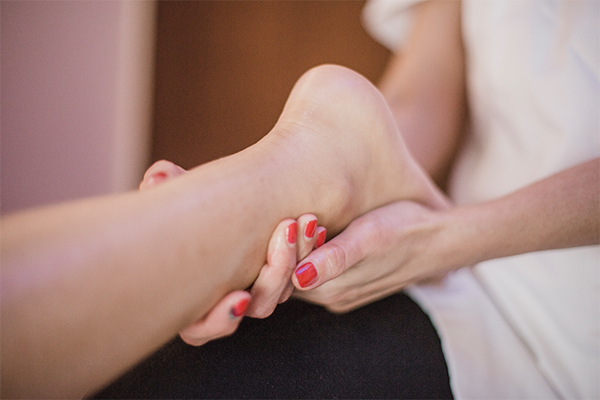
How Nail Trauma Happens Without You Realising
Introduction
Nail trauma is a common issue that many individuals experience without even realising it. As experts in foot health at Mary Moore Podiatry in Dublin, we encounter various types of nail injuries ranging from subtle damage to severe conditions that can lead to complications if left untreated. Understanding how nail trauma occurs can help you take proactive measures to protect your nails and overall foot health.
What Causes Nail Trauma?
Nail trauma can result from many different sources, and surprisingly, many people may not even be aware that they are at risk. Here are some of the key causes:
- Footwear Choices: Wearing shoes that are too tight, narrow, or high-heeled can lead to damage to the nails by causing pressure and friction.
- Sports Injuries: Activities such as running, soccer, or basketball often involve sudden movements that can lead to accidental impacts to the toes.
- Daily Activities: Simple tasks, such as moving furniture or accidentally stubbing your toe, can cause unnoticed nail trauma.
- Improper Nail Care: Cutting nails too short or improperly can result in ingrown toenails, leading to pain and potential infection.
How Does Nail Trauma Affect Your Feet?
Understanding the impact of nail trauma is essential for recognising potential complications. Here are some effects that can occur:
- Discolouration: Bruising under the nail can cause it to darken, indicating damage or bleeding.
- Infections: Traumatic injuries can provide a pathway for bacteria and fungi to enter, potentially leading to fungal toenails or bacterial infections.
- Nail Deformity: Prolonged trauma can cause the nail to grow abnormally, thickening or curving irregularly.
- Pain and Discomfort: Injuries can lead to significant pain, especially when pressure is applied to the affected area.
How Can I Treat Nail Trauma?
If you suspect you have experienced nail trauma, it's important to take appropriate measures to promote healing and prevent complications. Here are some recommended steps:
- Rest: Try to avoid putting pressure on the affected toe.
- Ice: Apply ice wrapped in a cloth to help reduce swelling and relieve pain.
- Elevation: Keeping your foot elevated can also help decrease swelling.
- Monitor for Signs of Infection: Look for increased redness, warmth, or discharge, which may indicate an infection.
- Professional Care: If your symptoms persist or worsen, seeking care from a podiatrist is crucial. At Mary Moore Podiatry, we can assess and treat your injury professionally.
What Preventative Measures Can I Take?
Preventing nail trauma is often about making smart choices regarding footwear and foot care. Here are some recommendations:
- Choose Proper Footwear: Ensure that your shoes fit well, providing enough space for your toes while supporting the arch of your foot.
- Avoid Activities in Risky Footwear: If you’re engaging in sports or physical activities, wear appropriate shoes designed for those specific activities.
- Maintain Nail Hygiene: Regularly trim your nails straight across to prevent ingrown toenails.
- Be Mindful of Your Surroundings: Pay attention to where you are walking to avoid stubbing your toes or encountering obstacles.
Conclusion
Understanding how nail trauma occurs without you realising it is the first step towards prevention and maintaining healthy nails. If you believe you may be suffering from nail trauma, don't hesitate to reach out to us at Mary Moore Podiatry in Dublin. Our experienced team is ready to provide the care you need to get back on your feet.
Frequently Asked Questions (FAQ)
1. What should I do if my nail is discoloured?
If your nail has become discoloured after an injury, monitor it for any signs of infection. If the color does not return to normal or you experience pain, consult a podiatrist.
2. How long does it take for a nail injury to heal?
The healing time for a nail injury can vary but typically ranges from a few weeks to several months depending on the severity of the trauma.
3. Can I still exercise with a nail injury?
It's advisable to avoid exercises that put pressure on the affected toe. Activities should be modified to prevent further injury.
4. How can I know if I have an infection under the nail?
Signs of infection include increased redness, warmth, swelling, and discharge. If you notice these signs, seek professional treatment promptly.
5. When should I see a podiatrist for nail trauma?
If you experience significant pain, swelling, changes in nail appearance, or have concerns about an infection, schedule an appointment with a podiatrist.
Ready to take care of your foot health? Book your appointment with us today!