
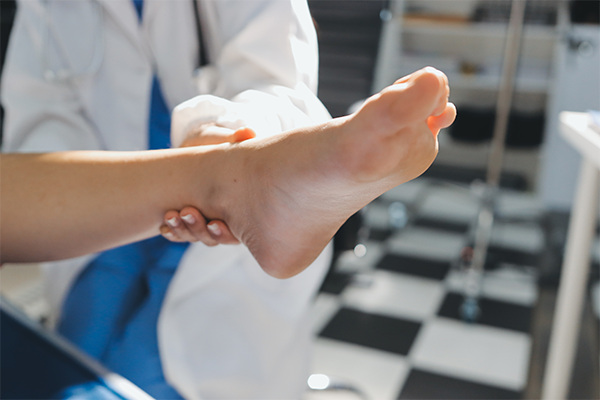
When Is Nail Removal the Best Option? Insights From a Dublin 4 Podiatrist
Understanding Nail Removal
Nail removal may sound daunting, but it is sometimes the best solution for relief and healing. At Mary Moore Podiatry in Dublin, we often encounter patients facing various foot conditions that necessitate this procedure. Here, we provide insightful information on when nail removal is a prudent option.
What Causes Nail Problems?
Nail issues can arise from numerous factors, including:
- Ingrown Toenails: A condition where the nail grows into the surrounding skin, causing pain, swelling, and infection.
- Nail Fungus: A fungal infection that results in thickened, discolored nails, often requiring removal for effective treatment.
- Trauma: Injury to the nail can lead to severe pain and may result in nail loss.
- Onycholysis: The separation of the nail from the nail bed, often due to psoriasis or fungal infections.
When Is Nail Removal Recommended?
There are several scenarios where nail removal is advised:
- Persistent Pain or Discomfort: If a nail condition causes chronic pain that interferes with daily activities, removal may be necessary.
- Severe Infection: In cases of bacterial infections, removing the nail can facilitate treatment and healing.
- Recurring Ingrown Toenails: If ingrown toenails recur despite conservative treatment, surgical removal may be indicated to prevent future occurrences.
- Unmanageable Fungal Infections: When topical or oral antifungal treatments fail, removing the affected nail may be the most efficient option to eradicate the infection.
How Is Nail Removal Performed?
Nail removal is typically performed under local anesthesia to ensure patient comfort. The procedure generally involves the following steps:
- Preparation: The foot is cleaned and numbed with a local anesthetic.
- Removal: The affected nail is carefully extracted by a podiatrist, ensuring minimal trauma to the surrounding tissue.
- Post-Procedure Care: After the removal, the podiatrist will provide guidelines on caring for the area to promote healing.
Are There Risks Involved in Nail Removal?
As with any medical procedure, nail removal has potential risks, which may include:
- Infection: There is always a risk of infection following any surgical procedure.
- Bleeding: Some bleeding may occur during or after the removal.
- Nail Regrowth Issues: In some cases, the nail may not regrow correctly or may become misshapen.
How Can I Prevent Nail Problems?
To minimize the risk of nail issues, consider the following preventative measures:
- Maintain proper foot hygiene by washing and drying your feet thoroughly.
- Keep your toenails trimmed straight across and avoid cutting them too short.
- Choose well-fitting footwear that provides ample space for your toes.
- Seek prompt treatment for any injuries or signs of infection.
Q&A: Frequently Asked Questions
- Q: How long does it take to recover from nail removal?
A: Recovery typically takes 2 to 6 weeks, depending on the extent of the procedure and individual healing rates.
- Q: Will I be able to walk immediately after the removal?
A: Most patients can walk soon after the procedure, though care should be taken to avoid pressure on the affected area.
- Q: Can I wear nail polish on my toenails after removal?
A: It is advisable to avoid nail polish until the area has fully healed to allow proper monitoring of healing.
- Q: Are there alternative treatments to nail removal?
A: Yes, options like medicated creams, oral medications, or less invasive procedures may be considered, depending on your condition.
- Q: Should I see a podiatrist for my nail issues?
A: Yes, consulting a podiatrist is essential for proper diagnosis and to determine the most suitable treatment options.
Conclusion
Nail removal can be an effective solution for various foot conditions, providing relief and promoting healing. At Mary Moore Podiatry in Dublin, our team of experienced podiatrists is dedicated to ensuring the best care and treatment for your foot health. If you are experiencing problematic nail conditions, don’t hesitate to book an appointment with us. Together, we can explore the best options for your needs.