
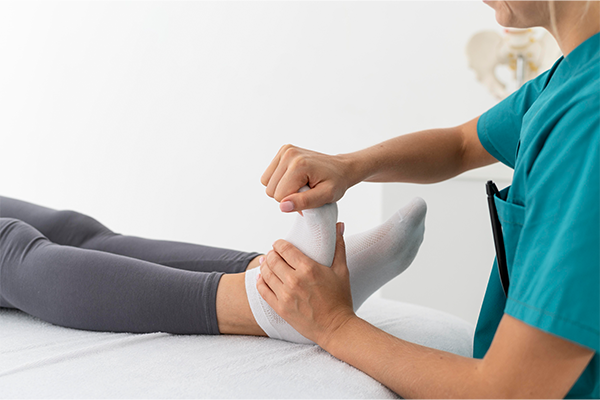
How to Manage Heel Pain With Help From Dublin 9 Experts
Introduction
If you’re experiencing heel pain, you’re not alone. This common ailment can affect your daily activities, from walking to standing. At Mary Moore Podiatry in Dublin, we specialize in diagnosing and treating various conditions related to heel pain. With the help of our Dublin 9 experts, you can find effective management strategies to alleviate your discomfort and restore your foot health.
What Causes Heel Pain?
Heel pain can result from several underlying conditions, each requiring a unique approach to treatment. Here are some of the most common causes:
- Plantar Fasciitis: Inflammation of the plantar fascia, the tissue connecting your heel bone to your toes, is a leading cause of heel pain. It often manifests as sharp pain in the heel, especially in the morning or after prolonged standing.
- Achilles Tendinitis: This condition involves inflammation of the Achilles tendon, which connects your calf muscles to your heel. It commonly results from overuse, particularly in runners and dancers.
- Heel Spurs: These are bony growths on the underside of the heel bone, often associated with plantar fasciitis. Heel spurs can cause discomfort, particularly when walking or standing.
- Bursitis: Inflammation of the bursa sac in your heel can cause pain during movement. Often related to repetitive impact, this condition is common among athletes.
- Stress Fractures: Small cracks in the heel bone due to excessive stress or overuse can lead to pain, particularly in athletes.
How Can I Treat Heel Pain?
Treating heel pain often requires a multifaceted approach. Here are some effective strategies recommended by our experts at Mary Moore Podiatry:
- Rest and Ice: Avoid activities that exacerbate your heel pain. Apply ice to the affected area for 15-20 minutes several times a day to reduce inflammation.
- Stretching Exercises: Stretch the calf muscles and plantar fascia to improve flexibility. We will guide you through specific exercises tailored to your needs.
- Orthotics: Custom orthotic devices can provide support and alignment, addressing foot mechanics that contribute to heel pain.
- Footwear Recommendations: Wearing supportive shoes with adequate cushioning is crucial. Avoid high heels and flip-flops that lack arch support.
- Physical Therapy: A physical therapist can work with you to strengthen your feet and legs, improving your range of motion and functionality.
- Medications: Non-steroidal anti-inflammatory drugs (NSAIDs) can help manage pain and reduce inflammation. Always consult with a healthcare professional before starting any medication.
- Injections: In persistent cases, corticosteroid injections can alleviate severe pain and inflammation.
- Surgery: While rarely needed, surgical options may be considered for chronic conditions that do not respond to other treatments.
When Should I See a Podiatrist?
It’s advisable to consult a podiatrist if:
- Your heel pain persists for more than a few weeks.
- You experience severe pain that hinders your everyday activities.
- Your heel pain is accompanied by swelling or redness.
- You have a history of foot injuries or medical conditions that may exacerbate heel pain.
At Mary Moore Podiatry, our experienced team will perform a comprehensive evaluation to determine the underlying cause of your heel pain and develop a personalized treatment plan.
How Can I Prevent Heel Pain?
Prevention is key to maintaining optimal foot health. Here are easy tips to help you avoid heel pain:
- Maintain a Healthy Weight: Excess body weight adds stress to your feet. Keeping a healthy weight can significantly reduce the risk of heel pain.
- Choose Proper Footwear: Select shoes that provide a good fit, support, and cushioning suited for your activities.
- Gradual Increases in Activity: Increase your activity levels gradually to avoid overuse injuries.
- Incorporate Stretching: Regular stretching of your feet and legs can help maintain flexibility and prevent injuries.
Q&A Section
What is the best treatment for plantar fasciitis?
The best treatment often includes rest, used ice, foot stretching, wearing supportive shoes, and using orthotics to relieve strain on the plantar fascia.
Can heel pain indicate a serious condition?
While heel pain is commonly due to less serious conditions like plantar fasciitis, it can occasionally be a symptom of more serious issues, such as fractures or inflammatory diseases. Consultation with a podiatrist is recommended.
How long does it take for heel pain to heal?
Recovery time varies based on the cause, but most cases improve significantly within a few weeks to a few months with the appropriate treatment.
Should I continue to exercise if I have heel pain?
Continuing to exercise is generally not advised if it aggravates your heel pain. Instead, consider low-impact activities and consult a podiatrist for personalized advice.
How can I book an appointment with Mary Moore Podiatry?
You can easily book an appointment online via our booking service: Book your appointment here.
Conclusion
Heel pain can significantly interfere with your quality of life, but with proper diagnosis and treatment from the experts at Mary Moore Podiatry in Dublin, you can find relief. By understanding the causes, exploring treatment options, and implementing preventive measures, you can improve your foot health and overall well-being. Don't let heel pain hold you back — schedule a consultation with our Dublin 9 specialists today!