
Ingrown Toenail Surgery in Dublin 9: What to Expect Before, During & After
Ingrown Toenail Surgery in Dublin 9: What to Expect Before, During & After
If you're suffering from an ingrown toenail, understanding the surgical procedure can help alleviate any anxiety. At Mary Moore Podiatry in Dublin, we prioritize patient education and care. This article provides you with a detailed overview of what to expect before, during, and after ingrown toenail surgery.
What Causes an Ingrown Toenail?
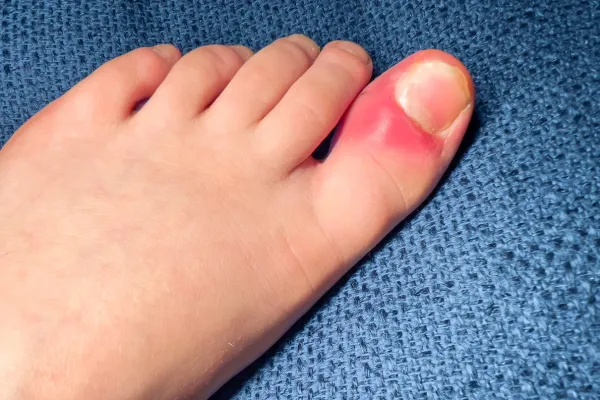
An ingrown toenail occurs when the edge of the nail grows into the surrounding skin, leading to inflammation, pain, and sometimes infection. Common causes include:
Improper nail trimming techniques
Wearing tight-fitting shoes
Foot injuries
Genetic predisposition to curved nails
How Can I Treat an Ingrown Toenail?
Initial treatments include soaking the foot, proper nail trimming, and wearing roomier footwear. However, chronic cases may require surgical intervention, which can be performed at our clinic.
Preparing for Ingrown Toenail Surgery
Before the procedure, your podiatrist will conduct a thorough examination of your foot. Important steps include:
Consultation: Discuss symptoms, medical history, and treatment options.
Pre-operative Assessment: Evaluation of your overall health to ensure suitability for surgery.
Instructions: Follow specific guidelines, such as avoiding certain medications or fasting before surgery.
What Happens During Ingrown Toenail Surgery?
Ingrown toenail surgery is typically performed under local anesthesia, ensuring you remain comfortable throughout the procedure. Here’s what you can expect:
Your foot will be cleaned and numbed to prevent pain.
The podiatrist will carefully remove the ingrown portion of the nail.
In some cases, a chemical agent might be used to prevent future nail growth in that area.
Finally, the area will be dressed appropriately to expedite healing.
Aftercare: How to Ensure Proper Recovery
Post-surgery care is crucial for healing and preventing complications. Here’s how to care for your foot after the procedure:
Rest: Limit physical activity to reduce swelling and discomfort.
Keep the Area Clean: Follow your podiatrist's instructions on dressing changes to avoid infection.
Monitor for Complications: Watch for signs of infection, such as increased redness, swelling, or pus.
Follow-Up: Attend any scheduled follow-up appointments for monitoring your healing process.
Potential Risks and Complications
While ingrown toenail surgery is generally safe, there are potential risks associated, including:
Infection
Recurrence of the ingrown toenail
Temporary sensitivity in the toe
Your podiatrist at Mary Moore Podiatry will discuss these risks with you in detail to prepare you for the surgery.
Frequently Asked Questions (FAQ)
1. How long is the recovery time after ingrown toenail surgery?
Most patients can return to normal activities within a week, but complete healing may take several weeks.
2. Will I be in pain after the surgery?
Minor discomfort is expected, which can typically be managed with over-the-counter pain relievers.
3. Can I wear regular shoes after the surgery?
It is advisable to wear open-toed shoes or sandals until the toe has healed adequately.
4. What if my ingrown toenail comes back?
Consult your podiatrist for possible further treatment options, which may involve more extensive surgery.
5. Is the surgery covered by health insurance?
Many insurance plans cover surgical treatment for ingrown toenails. Always check with your provider for specifics.
Conclusion
Understanding the ins and outs of ingrown toenail surgery can help ease your concerns and foster a smoother recovery. At Mary Moore Podiatry in Dublin, our team is dedicated to providing exceptional care tailored to your specific needs. If you are experiencing pain from an ingrown toenail or have any further questions, we encourage you to book a consultation with us today.
Book your appointment now to take the first step towards healthier feet!