
Heel Pain Specialist Dublin: Why Rest Alone Isn’t Always Enough
Understanding Heel Pain
Heel pain is a common issue faced by many individuals, affecting daily activities and overall quality of life. At Mary Moore Podiatry in Dublin, we understand the intricate nature of heel pain and the various factors that can contribute to it. While rest is often the first suggestion for managing pain, it frequently isn’t enough to address the underlying problems.
What Causes Heel Pain?
Heel pain can arise from a variety of conditions, including:
- Plantar Fasciitis: Inflammation of the band of tissue that connects the heel bone to the toes, causing sharp pain, especially in the morning.
- Achilles Tendinitis: Overuse injury of the Achilles tendon, often resulting in pain and stiffness at the back of the heel.
- Heel Spurs: Bony growths that form on the heel bone, usually associated with plantar fasciitis and causing chronic pain.
- Bursitis: Inflammation of the bursa, a small fluid-filled sac, can lead to heel pain along the back or bottom of the heel.
- Stress Fractures: Tiny cracks in the heel bone due to repetitive stress, more common in athletes.
Why Isn’t Rest Enough?
While rest can provide temporary relief from heel pain, it does not address the root causes. In many cases, conditions like plantar fasciitis or Achilles tendinitis require a more holistic treatment approach, which includes:
- Strengthening and Stretching Exercises: Tailored physical therapy can help strengthen muscles and improve flexibility, which is crucial for recovery.
- Proper Footwear: Supportive shoes can alleviate pressure on the heel and provide necessary cushioning, while orthotics might be needed for additional support.
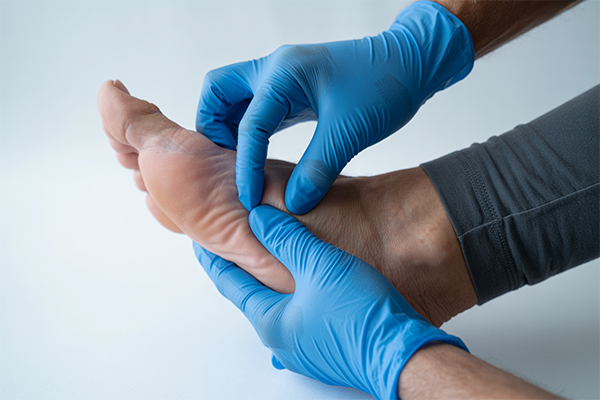
- Manual Therapy: Techniques performed by a podiatrist to improve movement, decrease pain, and facilitate healing.
- Injections: Corticosteroid injections can reduce inflammation in severe cases and provide relief where conservative methods fail.
- Shockwave Therapy: A non-invasive treatment option that uses sound waves to promote healing and reduce pain.
How Can I Treat Heel Pain Effectively?
Treating heel pain effectively often requires a multifaceted approach:
- Early Diagnosis: Consult with our specialists at Mary Moore Podiatry to identify the underlying cause of your heel pain.
- Customized Treatment Plans: Each patient’s needs are different—treatment plans are designed specifically for you based on your diagnosis.
- Consistency: Following through with your treatment plan, including exercises and lifestyle changes, is crucial for recovery.
- Regular Follow-ups: Scheduling regular appointments helps monitor progress and make necessary adjustments to your treatment protocol.
Focusing on Long-term Recovery
Recovery from heel pain is not just about immediate relief; it’s about ensuring long-term health and preventing re-injury. By adhering to treatment protocols and making necessary lifestyle adjustments, patients can significantly reduce the chances of heel pain recurring.
When Should I See a Specialist?
If you experience persistent heel pain that does not improve with rest or over-the-counter remedies, it’s essential to seek professional advice. At Mary Moore Podiatry, our team is trained to assess and treat complex cases effectively and compassionately.
Frequently Asked Questions (FAQ)
1. What are the symptoms of plantar fasciitis?
Symptoms include sharp pain in the heel, particularly noticeable in the morning or after long periods of sitting.
2. Can I continue exercising with heel pain?
It is advisable to avoid high-impact activities until you consult with a podiatrist. Low-impact exercises such as swimming may be appropriate.
3. How long does recovery from Achilles tendinitis take?
Recovery can vary significantly based on the severity but typically ranges from a few weeks to several months with appropriate treatment.
4. Are over-the-counter treatments effective for heel pain?
Over-the-counter treatments can provide temporary relief, but they often do not address the underlying issue. Consulting a podiatrist is recommended.
5. Is surgery ever necessary for heel pain?
Generally, surgery is considered a last resort after conservative treatments fail. Our specialists will thoroughly evaluate your condition before recommending such measures.
Conclusion
Heel pain can significantly impact your daily life, but it’s essential to know that rest alone isn’t always the solution. At Mary Moore Podiatry in Dublin, we offer comprehensive evaluations and tailored treatment plans designed to get you back on your feet. Don’t let heel pain control your life—book your appointment today and start your journey to recovery!