
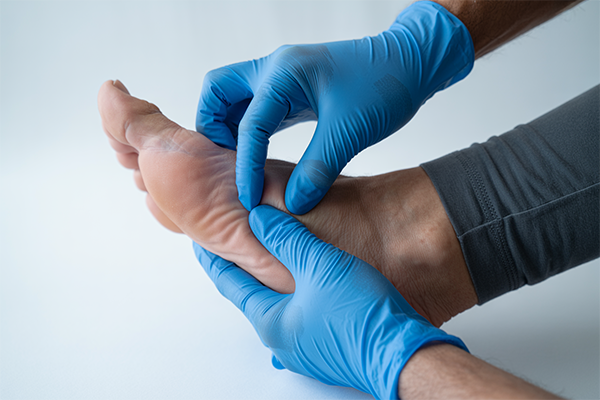
Heel Pain Specialist Dublin: Why Rest Alone Isn’t Always Enough
Understanding Heel Pain
Heel pain is a common complaint that can be both frustrating and debilitating. At Mary Moore Podiatry in Dublin, we encounter a variety of patients suffering from this condition, which can manifest due to several underlying causes. While rest is often the first recommendation, it is critical to understand that this alone may not address the root of the problem.
What Causes Heel Pain?
Heel pain can arise from multiple factors that affect the anatomy of the foot. Some of the most common causes include:
- Plantar Fasciitis: An inflammation of the plantar fascia, a thick band of tissue that runs across the bottom of the foot.
- Achilles Tendinitis: Inflammation of the Achilles tendon, often due to overuse or improper footwear.
- Heel Spurs: Bony growths on the underside of the heel, commonly associated with plantar fasciitis.
- Bursitis: Inflammation of the bursa, small fluid-filled sacs that cushion bones and tendons in the heel area.
- Stress Fractures: Small cracks in the heel bone, often due to repetitive activities like running or jumping.
Why Rest Alone Isn’t Enough
While resting the feet is essential for recovery, it typically does not address the underlying biomechanical issues that contribute to heel pain. Without a comprehensive treatment plan, symptoms may persist or worsen. Here are a few reasons why rest alone may fall short:
- Insufficient Healing: Rest may relieve pain temporarily, but without addressing inflammatory or structural issues, the condition can flare up again.
- Biomechanics: Misalignment and overuse issues require targeted interventions such as orthotics or physical therapy.
- Activity Resumption: Simply avoiding activity does not ensure proper healing can occur; you may need a structured rehabilitation plan.
How Can I Treat Heel Pain Effectively?
Effective treatment for heel pain often combines several approaches:
- Physical Therapy: Exercises can strengthen the muscles surrounding the heel and improve flexibility.
- Orthotics: Customized shoe inserts can provide support, correct alignment, and reduce strain on the foot.
- Medications: Non-steroidal anti-inflammatory drugs (NSAIDs) can help reduce pain and inflammation.
- Shockwave Therapy: A non-invasive treatment option that uses sound waves to promote healing in the affected area.
- Steroid Injections: In cases of severe inflammation, cortisone injections may be recommended.
What Should I Do If My Heel Pain Persists?
If your heel pain lingers despite rest and initial treatments, it is essential to seek professional help. At Mary Moore Podiatry, our team will perform a thorough examination to identify the underlying cause and develop a personalized treatment plan tailored to your needs.
When Should I See a Heel Pain Specialist?
Consider seeing a specialist if:
- Your pain persists beyond a few weeks despite conservative treatment.
- You experience swelling, redness, or warmth in the heel area.
- You have difficulty walking or performing daily activities.
Frequently Asked Questions (FAQ)
1. Can heel pain go away on its own?
While some cases of heel pain may improve with rest, persistent pain often indicates a deeper issue that requires professional evaluation and treatment.
2. What are the first steps I should take for heel pain?
Start with rest, ice, and over-the-counter pain relievers. If symptoms continue, schedule an appointment with a specialist.
3. Are custom orthotics worth it for heel pain?
Custom orthotics can provide significant relief by correcting alignment issues and reducing stress on the heel. They are often recommended for chronic heel pain.
4. What exercises are helpful for heel pain?
Stretching exercises for the Achilles tendon and plantar fascia, along with strengthening exercises for the foot, can be beneficial. Always consult a professional before beginning any exercise regimen.
5. How do I book an appointment at Mary Moore Podiatry?
You can book an appointment by visiting our online booking page. We look forward to helping you find relief from your heel pain.
Conclusion
Understanding and addressing heel pain is crucial for effective recovery. At Mary Moore Podiatry in Dublin, our experienced team is committed to providing comprehensive care tailored to your specific needs. Don’t let heel pain disrupt your daily life; reach out today to explore personalized treatment options that go beyond mere rest.