
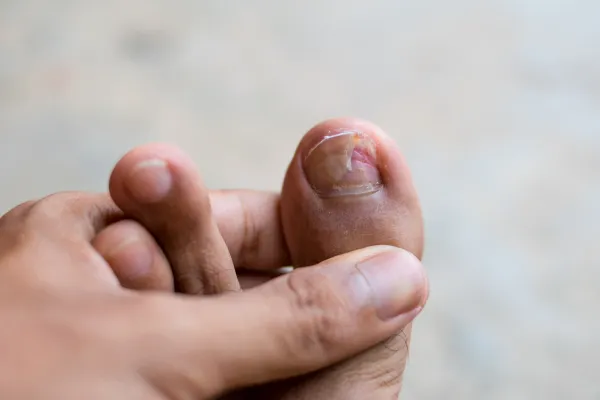
What Happens If You Leave a Damaged Toenail Untreated? Dublin 4 Advice
Introduction
If you've recently experienced an injury to your toenail, you might be wondering what happens if you leave a damaged toenail untreated. At Mary Moore Podiatry in Dublin, we understand that foot health is crucial for your overall well-being. Failing to address toenail injuries can lead to a range of complications. In this article, we will explore the potential consequences of untreated damaged toenails and provide practical advice on managing and treating such injuries.
What Causes Toenail Damage?
Toenails can be damaged due to various reasons, including:
Trauma: Stubbing your toe, dropping heavy objects on your feet, or excessive pressure during sports can lead to damage.
Fungal Infections: Conditions like onychomycosis can weaken toenails, making them more prone to damage.
Aging: As we age, toenails may become thinner and more brittle, increasing the likelihood of injury.
Poor Footwear: Ill-fitting shoes can cause toenail injuries, such as ingrown toenails or nail avulsion.
What Are the Symptoms of a Damaged Toenail?
Symptoms of a damaged toenail can vary depending on the severity of the injury but commonly include:
Pain or tenderness around the affected area
Discoloration of the nail (e.g., red, purple, or yellow)
Swelling around the toenail
Nail separation from the nail bed
Infection signs, such as pus or increased redness
What Happens If You Leave a Damaged Toenail Untreated?
Neglecting a damaged toenail can lead to several complications:
1. Increased Risk of Infection
A damaged toenail, particularly if it is detached or has exposed the nail bed, is susceptible to bacterial or fungal infections. Symptoms may worsen, leading to pain, swelling, and discharge.
2. Permanent Nail Deformity
Continuous trauma and failure to treat a damaged toenail can result in abnormal nail growth or permanent deformity. This includes changes in nail shape, thickness, and color.
3. Ingrown Toenails
Untreated toenail injuries may lead to ingrown toenails, where the nail grows into the surrounding skin, causing inflammation, pain, and potential for infection.
4. Pain and Discomfort
Ignoring a damaged toenail can lead to chronic pain. The misalignment or misshapen nail can affect your overall gait and may lead to additional foot problems over time, such as plantar fasciitis or bunions.
5. Reduced Mobility
In severe cases, complications from untreated toenail injuries can limit your ability to walk or participate in physical activities, impacting your overall quality of life.
How Can I Treat a Damaged Toenail?
If you have a damaged toenail, it's crucial to seek professional advice and treatment. Here are some steps you can take:
Keep it Clean: Gently clean the area with mild soap and water to prevent infection.
Apply an Antiseptic: Use a topical antiseptic to reduce the risk of infection.
Manage Pain: Over-the-counter pain relievers like ibuprofen or acetaminophen can help alleviate discomfort.
Protect the Nail: If the nail is partially attached, keep it protected with a sterile bandage.
Don’t Self-Remove: Avoid removing a damaged toenail yourself; consult a podiatrist for proper treatment.
When Should I See a Podiatrist?
It's advisable to seek medical attention from a podiatrist if you experience:
Severe pain or inability to walk
Signs of infection, such as increasing redness, warmth, or pus
A toenail that is completely detached
Persistent discomfort after initial treatment
FAQ
1. Can I treat a damaged toenail at home?
Minor injuries may be treated at home, but it’s best to see a podiatrist for proper assessment and treatment, especially for signs of infection.
2. How long does it take for a damaged toenail to heal?
Healing time varies based on the severity of the injury. Minor injuries can take a few weeks, while more severe damage may take several months to fully heal.
3. Will a damaged toenail grow back normally?
Most toenails will grow back normally unless there are complications such as severe trauma or infection. Regular check-ups can help ensure proper healing.
4. What can I do to prevent toenail injuries?
Wearing well-fitting shoes, maintaining foot hygiene, and avoiding high-impact activities without proper protection can reduce the risk of toenail injuries.
5. Can I practice sports with a damaged toenail?
It’s advisable to avoid sports or activities that put pressure on an injured toenail until it has healed to prevent further damage or complications.
Conclusion
Leaving a damaged toenail untreated can lead to significant complications, including infections and permanent deformity. If you're experiencing issues with your toenails, visit Mary Moore Podiatry in Dublin for expert care and treatment. Your foot health matters, and our team is here to help.
Don’t wait for complications to arise. Book an appointment today!