
Gout and the Feet: How a Podiatrist Can Help Manage Flare-Ups
Understanding Gout and Its Impact on the Feet
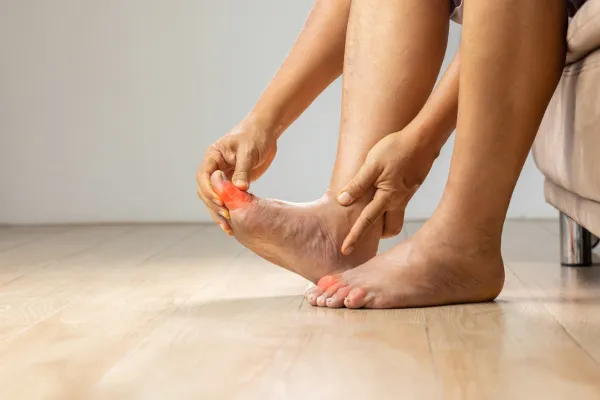
Gout is a complex form of arthritis characterized by sudden and severe pain, redness, and swelling in the affected joints. While it can affect any joint, it often targets the big toe, leading to significant discomfort and restricted mobility. At Mary Moore Podiatry in Dublin, we understand how gout can impact your foot health and overall quality of life. This article provides an in-depth look at gout, its causes, treatment options, and how our podiatry clinic can help manage flare-ups effectively.
What Causes Gout?
Gout occurs when there is an excess of uric acid in the bloodstream, which can crystallize and accumulate in the joints. This condition is often associated with various factors, including:
Diet: High-purine foods such as red meat, shellfish, and sugary beverages can contribute to increased uric acid levels.
Obesity: Excess body weight increases uric acid production and reduces its elimination.
Medical Conditions: Conditions such as hypertension, kidney disease, and metabolic syndrome can elevate uric acid levels.
Medications: Certain diuretics and medications can decrease uric acid excretion, exacerbating the condition.
Symptoms of Gout Flare-Ups
Gout symptoms typically appear suddenly and can include:
Intense pain in the affected joint, often occurring at night or early morning.
Swelling and redness in the joint area.
Limited range of motion in the affected joint as the condition progresses.
How Can I Treat Gout Flares at Home?
While professional treatment is essential, some home remedies can provide relief during flare-ups:
Rest and Elevation: Rest the affected foot and elevate it to reduce swelling.
Cold Compress: Apply a cold pack to the inflamed area to numb pain and decrease swelling.
Hydration: Drink plenty of water, which may help flush excess uric acid from the body.
Avoid Trigger Foods: Steer clear of high-purine foods during flare-ups.
How a Podiatrist Can Help Manage Gout
At Mary Moore Podiatry, our team specializes in the comprehensive management of foot-related issues, including gout. Here’s how we can assist you:
Diagnosis: We offer accurate diagnosis and assessment of gout through physical examination and patient history.
Custom Treatment Plans: Our podiatrists create individualized management plans that may include medication recommendations, lifestyle adjustments, and nutritional guidance.
Foot Care Techniques: We provide specific foot care techniques and exercises to help maintain mobility and alleviate pain.
Regular Monitoring: Ongoing consultations can help monitor your condition and adapt treatment as necessary.
What Medications Are Used to Treat Gout?
Podiatrists may recommend the following medications for managing gout:
NSAIDs: Nonsteroidal anti-inflammatory drugs, such as ibuprofen and naproxen, reduce pain and inflammation.
Colchicine: This medication can relieve gout pain when taken shortly after symptoms appear.
Corticosteroids: Oral or injectable corticosteroids may be prescribed for severe cases or when other medications are ineffective.
Urate-lowering Drugs: Long-term management may include medications that lower uric acid levels in the bloodstream.
When Should I See a Podiatrist for Gout?
If you experience recurrent gout attacks, persistent pain, or symptoms that do not improve with home care, it is essential to consult a podiatrist. Early intervention can prevent complications and improve your overall foot health.
Frequently Asked Questions (FAQ)
What lifestyle changes can help prevent gout attacks?
Maintaining a healthy weight, staying hydrated, and avoiding high-purine foods can significantly reduce the frequency of gout attacks.Can gout lead to permanent joint damage?
If left untreated or poorly managed, gout can cause joint damage and chronic arthritis.How long do gout flare-ups last?
A typical gout flare-up can last from a few days to a week, but medication and home care can help alleviate symptoms faster.Is there a specific diet for gout sufferers?
A diet rich in low-fat dairy, fruits, vegetables, and whole grains, while avoiding red meat, shellfish, and sugary drinks, is often recommended.Can gout affect other parts of the body?
While gout primarily affects joints, it can occasionally form deposits in kidneys, leading to kidney stones.
Conclusion
Gout can significantly impact your foot health and daily activities. With the help of specialized care from our team at Mary Moore Podiatry in Dublin, you can manage flare-ups effectively and improve your quality of life. Don’t let gout control your life. Schedule your appointment with our experienced podiatrists today by visiting Mary Moore Podiatry’s booking page.