
Are Freezing Treatments for Verrucas Safe and Effective?
Introduction to Verrucas and Freezing Treatments
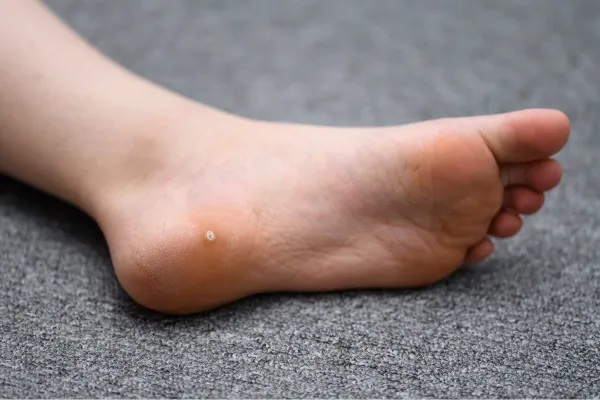
At Mary Moore Podiatry in Dublin, we often encounter patients seeking solutions for verrucas, also known as plantar warts. These benign growths on the bottom of the foot are caused by the human papillomavirus (HPV) and can lead to discomfort and self-consciousness. One popular treatment option is cryotherapy, or freezing therapy. In this blog post, we'll explore the safety and effectiveness of freezing treatments for verrucas, providing evidence-based insights to help you make informed decisions about your foot health.
What Causes Verrucas?
Verrucas are primarily caused by certain strains of the human papillomavirus (HPV), which enters the skin through small cuts or breaks. This virus can proliferate rapidly in warm, moist environments, making communal areas like swimming pools and locker rooms hotspots for infection. Factors that may increase the likelihood of developing verrucas include:
Weakened immune system
Walking barefoot in public places
High friction areas on the foot, such as the heel or ball
How Does Freezing Treatment Work?
Cryotherapy involves applying liquid nitrogen to the verruca, effectively freezing the tissue. This process results in damage to the wart tissue, stimulating an immune response that can help eliminate the virus causing the verruca. Typically, a single session may take just a few minutes, and it can effectively treat verrucas that are resistant to other forms of therapy.
Is Freezing Treatment Safe?
Freezing treatments for verrucas are generally safe when performed by a qualified healthcare professional. Possible side effects include:
Redness and swelling at the treatment site
Blister formation
Post-treatment pain
These effects are usually mild and resolve within a few days. However, some patients may experience changes in skin pigmentation, particularly those with darker skin tones. It's essential to discuss these potential side effects with your podiatrist during your consultation at Mary Moore Podiatry.
How Effective is Freezing Treatment for Verrucas?
Numerous studies demonstrate the effectiveness of cryotherapy in treating verrucas. Research indicates that approximately 60% to 70% of patients experience complete resolution after one or two treatments. However, some verrucas may require multiple sessions, especially if they are larger or have been present for a long time. A systematic review highlighted that while cryotherapy is effective, combining it with other treatments, such as topical salicylic acid or immunotherapy, can enhance results.
What Are Other Treatment Options for Verrucas?
Besides freezing treatment, several other options can effectively manage verrucas. These include:
Topical Treatments: Salicylic acid is the most commonly used topical agent, which works by gradually peeling away the skin layers.
Laser Therapy: This treatment uses focused light to destroy the verruca tissue, often recommended for stubborn cases.
Electrosurgery: This involves using high-frequency current to cut or destroy the verruca, usually performed under local anaesthesia.
Home Remedies: Some patients opt for home treatments, such as duct tape occlusion, but research on their effectiveness is limited.
When Should You Seek Treatment?
If you're experiencing discomfort due to a verruca or if you notice a change in its appearance, it's crucial to seek professional advice. Early intervention can prevent further complications and create a more straightforward path to resolution. At Mary Moore Podiatry, our dedicated team can provide a thorough evaluation and discuss the most suitable treatment options tailored to your needs.
FAQ
1. How many freezing treatments will I need?
The number of treatments varies depending on the size and type of verruca, but most patients require between one to three sessions.
2. Is cryotherapy painful?
Many patients report minimal discomfort during the procedure, often likening it to a brief sting. Local anaesthesia can be administered if necessary for greater comfort.
3. Can I treat verrucas at home?
While some over-the-counter treatments are available, consulting a healthcare professional is recommended for the most effective and safe approaches.
4. Are verrucas contagious?
Yes, verrucas can be contagious, especially through direct contact or contact with surfaces where the virus may be present.
5. How can I prevent verrucas from recurring?
Maintaining good foot hygiene, wearing footwear in communal areas, and avoiding direct contact with warts can help reduce the risk of recurrence.
Conclusion
Freezing treatments for verrucas are a safe and effective option, supported by scientific evidence and clinical practice. If you are dealing with a verruca and seeking the best course of action, don’t hesitate to contact Mary Moore Podiatry in Dublin. Our experienced team is here to help you find relief and improve your foot health. Book your appointment today!