
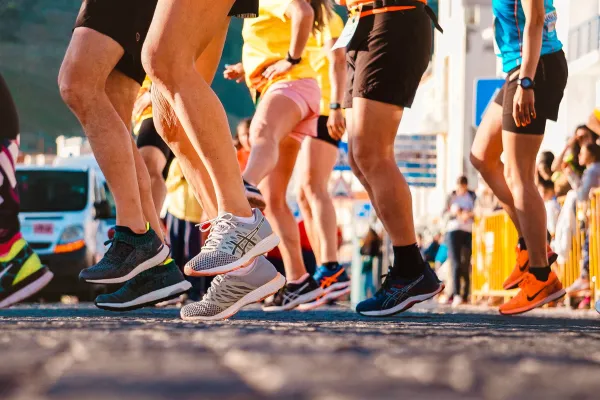
Forefoot Pain in Runners: Dublin 9 Treatment Options
Understanding Forefoot Pain in Runners
Forefoot pain is a common issue for runners and can significantly affect your performance and overall enjoyment of the sport. At Mary Moore Podiatry in Dublin, we understand that effective treatment options are vital for runners experiencing this kind of pain. Proper diagnosis and management can help you get back to running as quickly and safely as possible.
What Causes Forefoot Pain in Runners?
Forefoot pain can stem from various underlying conditions. Understanding these can help in appropriate treatments:
Metatarsalgia: Inflammation and pain in the metatarsal region caused by excessive pressure.
Plantar Fasciitis: Often affects the heel, but can extend to the forefoot, causing pain and stiffness.
Morton’s Neuroma: A nerve condition between the toes that leads to sharp pain and discomfort in the forefoot.
Sesamoiditis: Inflammation of the sesamoid bones beneath the big toe, leading to localized pain.
Stress Fractures: Overuse injuries that can occur in the metatarsals, causing intense pain during activity.
What Are the Symptoms of Forefoot Pain?
Recognizing the symptoms of forefoot pain is the first step in seeking treatment. Common symptoms include:
Sharp or aching pain in the ball of the foot.
Sensitivity or burning sensation in the toes.
Difficulty walking or running, especially when bearing weight.
Swelling or inflammation around the forefoot area.
Discomfort during or after physical activities.
How Can I Treat Forefoot Pain?
Effective treatment for forefoot pain typically involves a combination of rest, ice, and proper medical interventions:
Rest: Reducing activity helps alleviate stress on your forefoot.
Ice Therapy: Applying ice can reduce inflammation and provide pain relief.
Orthotics: Custom foot orthotics can redistribute pressure and provide support.
Physical Therapy: Targeted exercises can relieve pain and strengthen the foot muscles.
Medication: Non-steroidal anti-inflammatory drugs (NSAIDs) can help manage pain and reduce swelling.
When Should I See a Podiatrist?
If forefoot pain persists despite home treatment or begins to interfere with your daily activities or running routine, it is important to consult a podiatrist. At Mary Moore Podiatry, we can perform a detailed evaluation and recommend a tailored treatment plan. Early interventions can prevent long-term complications and ensure a quicker return to your favorite activities.
Preventing Forefoot Pain in Runners
Prevention is essential for maintaining foot health. Here are some tips to help avoid forefoot pain:
Choose appropriate footwear that provides both comfort and support.
Gradually increase running distances to avoid overuse injuries.
Incorporate stretching and strengthening exercises into your routine.
Modify your running surface to reduce impact.
Listen to your body; don’t ignore pain as it can lead to more severe conditions.
Conclusion: Your Path to Relief at Mary Moore Podiatry
If you’re experiencing forefoot pain, timely intervention is key to a successful recovery. At Mary Moore Podiatry in Dublin, our experienced team is dedicated to helping you identify the cause of your pain and offering effective treatment options tailored to your needs. Don’t let forefoot pain dictate your running experience — book your appointment today and take the first step toward relief!
FAQs About Forefoot Pain in Runners
What is the most common cause of forefoot pain in runners? Metatarsalgia is one of the most prevalent causes, often related to high-impact activities.
Can I run with forefoot pain? It is advisable to rest and seek treatment before continuing to run, as this can exacerbate the injury.
How long does it take to recover from forefoot pain? Recovery can vary significantly based on the underlying condition, from a few weeks to several months.
Are custom orthotics necessary for treatment? They can be particularly beneficial in redistributing stress and providing support, especially for chronic issues.
What exercises can help with forefoot pain? Stretching exercises for the calf muscles and strengthening exercises for the foot can be beneficial in recovery.