
Foot Pain After Standing All Day? Dublin 9 Solutions That Work
Introduction
If you’re experiencing foot pain after standing all day, you are not alone. Many individuals in Dublin, particularly those whose jobs require long periods of standing, face this issue. At Mary Moore Podiatry, we understand the discomfort that can arise from conditions such as plantar fasciitis, Achilles tendinitis, and flat feet, all of which can be exacerbated by prolonged standing. This article will explore effective solutions tailored to help you manage foot pain and improve your quality of life.
What Causes Foot Pain After Standing All Day?
Foot pain after standing can be attributed to several factors, including:
Inadequate Footwear: Shoes lacking arch support or cushioning can contribute to foot strain.
Plantar Fasciitis: This common condition occurs when the plantar fascia, a thick band of tissue running along the bottom of your foot, becomes inflamed.
Achilles Tendinitis: Inflammation of the Achilles tendon can occur from repetitive stress due to prolonged standing.
Flat Feet: Individuals with flat feet or fallen arches may experience additional stress on the foot structures, leading to discomfort.
Weight and Posture: Excess weight and improper posture can exacerbate foot pain, causing strain on muscles and ligaments.
How Can I Treat Foot Pain After Standing All Day?
Several effective treatments can help alleviate foot pain caused by prolonged standing. Here are some strategies you can implement:
1. Choose the Right Footwear
Wearing shoes that provide adequate support and cushioning is vital. Look for:
Shoes with arch support
Padded insoles
Proper width to avoid pinching
Non-slip soles for safety
2. Use Orthotic Inserts
Custom orthotic inserts can be a game-changer for those suffering from foot pain. They provide tailored support to your foot's arch and can alleviate pressure, improving your overall comfort.
3. Stretching Exercises
Incorporating stretching exercises into your daily routine can enhance flexibility and reduce tension in the muscles and ligaments of your feet. Consider:
Calf stretches
Plantar fascia stretches (using a towel or your hands)
Toe stretches
4. Engage in Foot Massages
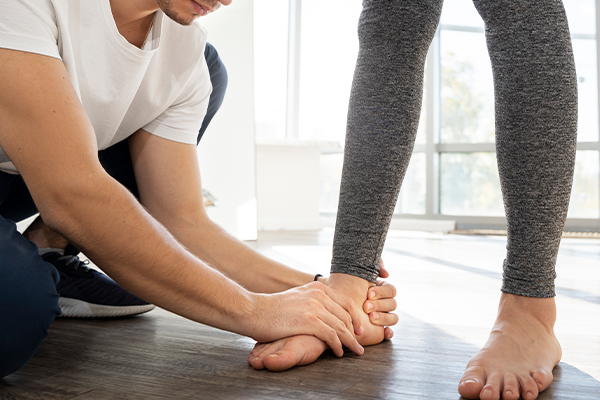
Massage can improve blood circulation and relieve tension. Aim for daily foot massages either manually or using a foot roller. This practice can significantly decrease pain and promote healing.
5. Explore Physical Therapy
If your foot pain persists, consulting with a physical therapist can provide you with specialized exercises and techniques tailored to your condition.
When Should I Seek Medical Attention?
While many cases of foot pain can be managed at home, there are instances when professional intervention is necessary:
If the pain persists or worsens despite home treatment
If you notice swelling, redness, or warmth in the foot
If you have difficulty walking or putting weight on the foot
Frequently Asked Questions (FAQ)
1. What is plantar fasciitis?
Plantar fasciitis is an inflammation of the plantar fascia, which connects the heel bone to the toes. It often presents as heel pain, especially in the morning or after prolonged sitting.
2. Can orthotic inserts help everyone?
Orthotic inserts can provide significant relief for many people suffering from foot pain, but their effectiveness can vary. It’s best to consult with a podiatrist to determine what type of support will work best for your individual needs.
3. How can I prevent foot pain when standing all day?
To prevent foot pain, wear supportive footwear, take regular breaks to sit or stretch, and consider using anti-fatigue mats if you stand in one place for extended periods.
4. What exercises can strengthen my feet?
Exercises such as toe curls, ankle circles, and heel raises can strengthen the muscles of your feet and improve overall foot stability. These practices can also help prevent future injuries.
5. How often should I replace my shoes?
It’s recommended to replace shoes every 300-500 miles, or at least every 6-12 months, depending on wear and tear. Signs of excessive wear should prompt an earlier replacement.
Conclusion
Foot pain after standing all day is a common issue for many individuals, but it doesn't have to be a permanent condition. By implementing the solutions outlined in this article, you can take proactive steps towards alleviating your discomfort. If you require personalized care, don't hesitate to reach out to Mary Moore Podiatry in Dublin. Our experienced team is dedicated to helping you find effective and long-lasting solutions for your foot pain. Book your appointment today!