
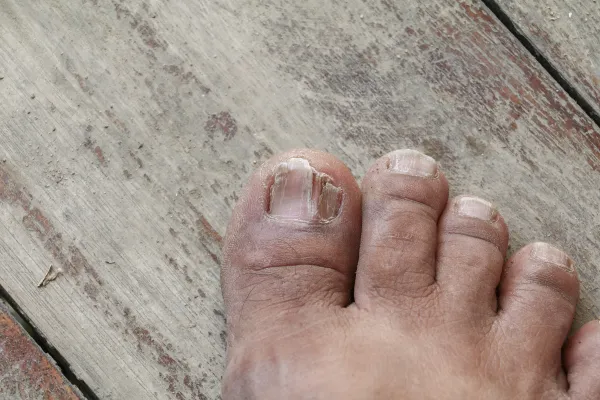
Do I Really Need Surgery for My Ingrown Toenail? Advice from a Dublin Podiatrist
Understanding Ingrown Toenails
Ingrown toenails, medically known as onychocryptosis, occur when the edges of a toenail grow into the surrounding skin, causing pain, inflammation, and potentially infection. Many people wonder if surgery is necessary for treatment. At Mary Moore Podiatry in Dublin, we provide expert advice on managing this common foot condition.
What Causes Ingrown Toenails?
Several factors contribute to the development of ingrown toenails, including:
Improper Toenail Trimming: Cutting nails too short or rounding the edges can encourage them to grow into the skin.
Footwear Choices: Tight-fitting shoes or high heels can compress the toes, leading to ingrown toenails.
Genetics: Some individuals may inherit a tendency for curved toenails.
Injury: Trauma to the toe, such as stubbing or dropping something heavy on it, can exacerbate the issue.
Symptoms of an Ingrown Toenail
Recognizing the symptoms early can prevent complications:
Pain or tenderness along the side of the toenail
Swelling and redness surrounding the nail
Possible drainage of pus or a clear fluid
In some cases, a noticeable deformity in the nail shape
How Can I Treat an Ingrown Toenail at Home?
For mild cases, certain home remedies can help relieve discomfort:
Soaking: Submerging your foot in warm, soapy water for 15-20 minutes a few times daily can reduce swelling and soften the skin.
Proper Nail Care: Ensure you trim your toenails straight across and avoid rounding the corners.
Footwear: Choose shoes with ample toe room to prevent continued pressure on the affected area.
Pain Relief: Over-the-counter pain medications, such as ibuprofen or acetaminophen, can alleviate discomfort.
When Should I Consider Professional Treatment?
If you experience severe pain, persistent symptoms, or signs of infection (such as increased redness, warmth, or pus), it’s essential to seek professional help. In cases where home treatment does not provide relief, a podiatrist may recommend:
Partial Nail Avulsion: This minor surgical procedure involves removing a portion of the ingrown nail to alleviate pressure and pain.
Matrixectomy: In persistent cases, the podiatrist may recommend removing part of the nail matrix (the tissue under the nail) to prevent future ingrown nails.
Antibiotics: If an infection is present, an antibiotic may be prescribed to clear the infection.
What to Expect During a Professional Consultation?
During your visit to Mary Moore Podiatry, our Dublin-based specialists will:
Conduct a thorough examination of your foot and toenail.
Discuss your medical history and any previous foot issues.
Outline potential treatment options based on your specific condition.
How Can I Prevent Ingrown Toenails in the Future?
Implementing preventative measures can significantly reduce the risk of future occurrences:
Practice proper toenail hygiene and trimming techniques.
Select footwear that fits well and provides enough space for your toes.
Regularly inspect your feet for signs of trouble, especially if you have underlying health conditions such as diabetes.
FAQs About Ingrown Toenails
1. Can ingrown toenails occur on any toe?
Yes, while they most commonly affect the big toe, ingrown toenails can occur on any toe.
2. Are ingrown toenails contagious?
No, ingrown toenails are not contagious. They result from nail growth and personal foot care practices.
3. What should I do if my ingrown toenail is infected?
If you suspect an infection, seek prompt medical attention to receive appropriate treatment.
4. Is surgery the only option for an ingrown toenail?
No, many cases can be managed conservatively, with surgery being reserved for severe or recurrent conditions.
5. How long does recovery take after nail surgery?
Recovery time varies, but most patients can resume normal activities within a few weeks, with complete healing taking longer.
Conclusion
Understanding ingrown toenails and their treatment options empowers you to take charge of your foot health. While surgery can be necessary in some cases, many ingrown toenails can be effectively managed with non-invasive methods. Visit us at Mary Moore Podiatry in Dublin for expert guidance tailored to your unique needs. Book an appointment today and take the first step towards healthy feet!