
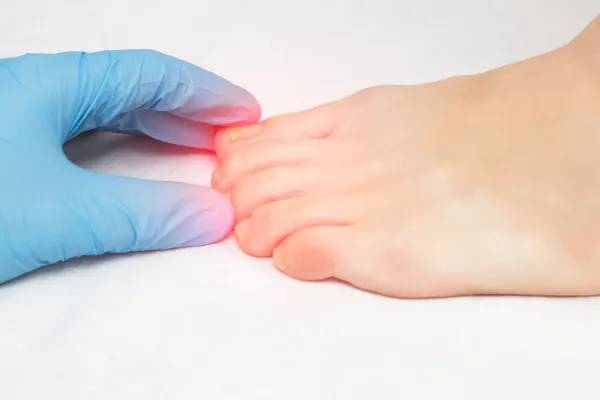
Diabetes and Ingrown Toenails: Why Early Surgery Matters – Dublin Foot Clinic Advice
Introduction
Ingrown toenails are a common yet painful condition that can significantly affect your quality of life. This issue can be particularly serious for individuals with diabetes, who are at a higher risk for complications. At Mary Moore Podiatry in Dublin, we understand the importance of early intervention. In this article, we will explore the relationship between diabetes and ingrown toenails, the necessity of early surgical intervention, and how we can help you achieve optimal foot health.
What Are Ingrown Toenails?
Ingrown toenails occur when the edge of a toenail grows into the surrounding skin, leading to pain, swelling, and sometimes infection. While this can happen to anyone, those with diabetes often face additional risks.
What Causes Ingrown Toenails?
Poor Nail Care: Improper trimming or cutting toenails too short can induce ingrown toenails.
Footwear: Wearing tight shoes can put pressure on the toes, causing the nails to grow inward.
Genetics: Some people are predisposed to have thick or curved toenails, heightening their risk.
Injury: Trauma to the toe, such as stubbing, can cause a nail to ingrow.
Why Are People with Diabetes at Greater Risk?
Individuals with diabetes often experience reduced blood flow and neuropathy, which diminishes sensitivity in the feet. This can lead to unnoticed injuries or infections. Consequently, an ingrown toenail may not get the prompt attention it needs, escalating the situation significantly.
What Are the Signs and Symptoms of an Ingrown Toenail?
Recognizing the symptoms of an ingrown toenail is crucial, especially for those with diabetes. Symptoms include:
Pain and tenderness at the toe.
Swelling around the nail.
Redness and inflammation.
Pus or other drainage if an infection develops.
How Can I Treat Ingrown Toenails with Diabetes?
Self-treatment can be risky for diabetics, and it's always advisable to consult a podiatrist. Here are steps to take:
Examine Your Feet Daily: Check for any signs of ingrown toenails or other foot issues.
Wear Proper Footwear: Choose shoes that provide adequate space for your toes.
Consult a Professional: Early intervention by a podiatrist can prevent complications.
Why Early Surgery Matters for Ingrown Toenails?
Early surgical intervention is essential for diabetic patients with ingrown toenails. Here’s why:
Prevents Complications: Surgery can remove the ingrown part of the toenail and reduce the risk of infection.
Reduces Pain: Timely surgery alleviates discomfort and enhances mobility.
Improves Foot Health: Maintaining healthy foot conditions can prevent further complications related to diabetes.
What Does the Surgical Procedure Involve?
At Mary Moore Podiatry, our approach to treating ingrown toenails involves the following steps:
Assessment: A thorough examination is conducted to understand the severity of the ingrown toenail.
Anesthesia: Local anesthesia is administered to ensure your comfort during the procedure.
Surgical Removal: The affected portion of the toenail is carefully removed.
Post-Operative Care: Instructions are provided to promote healing and prevent recurrence.
Aftercare and Healing
Proper aftercare is critical for ensuring a smooth recovery.
Keep the area clean and dry.
Follow all post-operative care instructions given by your podiatrist.
Schedule follow-up appointments to monitor your recovery.
Can Ingrown Toenails Be Prevented?
Preventive measures are vital, especially for diabetic patients. Consider the following tips:
Cut toenails straight across and avoid rounding the corners.
Wear shoes that fit properly without constricting the toes.
Maintain healthy foot hygiene to prevent infections and other complications.
Frequently Asked Questions (FAQ)
1. How do I know if my ingrown toenail requires surgery?
If you experience severe pain, swelling, or signs of infection, it's crucial to consult a podiatrist for assessment.
2. Is the surgical procedure for ingrown toenails painful?
The procedure is performed under local anesthesia, so you should not feel pain during surgery. Post-operative discomfort can be managed effectively.
3. Will my ingrown toenail come back after surgery?
Recurrence can occur, but proper nail care and follow-up treatment can minimize the risk.
4. How long is the recovery time after ingrown toenail surgery?
Recovery typically takes about 2-6 weeks, but it may vary depending on individual circumstances and care.
5. Can I still exercise after surgery?
It's advisable to limit physical activities that put pressure on the toe until your podiatrist provides clearance based on your recovery progress.
Conclusion
If you are experiencing symptoms of an ingrown toenail, especially if you have diabetes, early intervention is crucial to prevent complications. At Mary Moore Podiatry in Dublin, we are dedicated to providing tailored care to meet your foot health needs. Don’t wait for the problem to escalate—book your appointment today and take the first step towards healthier feet.