
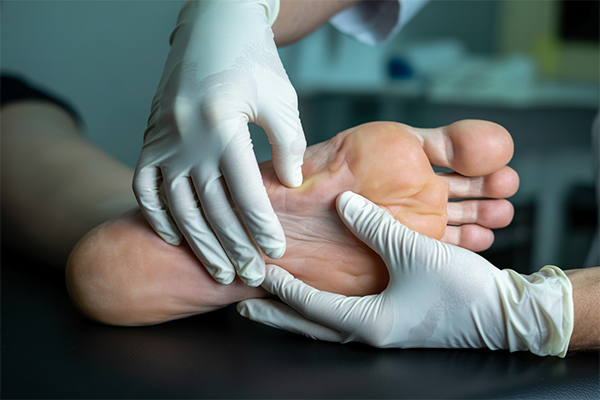
How Corns Develop in Unusual Areas
Understanding Corns and Their Unusual Locations
Corns are localized thickened areas of skin that often develop in response to friction or pressure. While most people associate corns with the tops or sides of the toes, they can also appear in unusual areas, leading to discomfort and pain. At Mary Moore Podiatry in Dublin, we aim to help you understand the causes, symptoms, and effective treatments for corns, especially when they develop in unexpected locations.
What Causes Corns to Develop?
Corns typically develop due to repetitive pressure on a certain area of the foot. Several factors can contribute to their formation:
- Improper Footwear: Shoes that are too tight, loose, or lack adequate cushioning can cause friction.
- Foot Deformities: Conditions such as bunions, hammertoes, and flat feet can alter foot mechanics, leading to unusual corn development.
- Inadequate Foot Care: Not maintaining proper foot hygiene or care can contribute to corn formation.
- Excessive Activity: Increased physical activity without proper foot protection can lead to pressure points on the feet.
Common Areas Where Corns May Develop
While corns are most prevalent on the toes, they can occur in unexpected areas:
- Between Toes: Direct friction from toe-to-toe contact can lead to corns in this area.
- Foot Sole: Pressure from walking, especially in high-impact activities, can create corns on the foot's plantar surface.
- Heel Area: Continuous pressure from ill-fitting shoes can lead to heel corns or calluses.
- Side of the Foot: Friction from footwear can cause corns to develop on the edges due to redundant rubbing.
How Can I Treat Corns in Unusual Areas?
Treating corns effectively begins with identifying the underlying causes. Here are some recommended strategies:
- Proper Footwear: Ensure that your shoes fit correctly and provide ample cushioning to alleviate pressure.
- Padding and Protection: Use corn pads or protective coverings to reduce friction on affected areas.
- Regular Foot Care: Maintain good hygiene and moisturizer usage to prevent thickening of the skin.
- Professional Treatment: At Mary Moore Podiatry, our experts can safely remove corns and provide tailored advice on managing foot health.
When Should I See a Podiatrist?
If you experience any of the following symptoms, it is advisable to seek professional assistance:
- Increased pain or discomfort in the affected area
- Signs of infection, such as redness, swelling, or discharge
- Difficulty walking or completing daily activities due to corn pain
- Corns that continue to recur despite home treatments
Preventive Measures for Corns
To prevent corns from developing in the first place, consider these proactive measures:
- Choose Proper Footwear: Invest in shoes that fit well and provide adequate support.
- Regular Foot Care: Exfoliate regularly and keep feet moisturized to prevent skin thickening.
- Regular Consultations: Visit Mary Moore Podiatry for routine foot exams and guidance on foot health.
Frequently Asked Questions (FAQ)
1. What exactly is a corn?
A corn is a hardened area of skin that forms to protect underlying tissues from excessive friction or pressure.
2. Can corns cause serious health issues?
Although corns are not typically serious, they can lead to complications like infections, particularly in people with diabetes or poor circulation.
3. Are corns the same as calluses?
Corns are usually smaller and more localized than calluses, which are a broader area of thickened skin that often develops on the soles of the feet.
4. Can I remove a corn at home?
While some people may attempt to remove corns at home, it is safest to seek professional help to avoid complications.
5. How long does it take for a corn to heal?
With proper treatment and care, most corns can heal within a few weeks. However, addressing the underlying causes is essential to prevent recurrence.
Conclusion
Corns may develop in unusual areas due to various factors, including footwear choice, foot anatomy, and activity levels. At Mary Moore Podiatry in Dublin, our experienced team is ready to help you address and treat corn issues so you can enjoy a pain-free life. If you're experiencing discomfort related to corns or any other foot condition, book an appointment with us today to receive expert care and advice tailored to your needs.