
When to Consider Orthotics in Dublin 9 — A Simple Checklist
Introduction
At Mary Moore Podiatry in Dublin, we understand that foot health is crucial to your overall well-being. Our feet endure significant stress from daily activities, making them susceptible to various conditions. For many, orthotics can enhance comfort and help manage foot pain. This article aims to provide a simple checklist to help you determine when to consider orthotic treatment.
What are Orthotics?
Orthotics are custom-made or over-the-counter shoe inserts designed to correct biomechanical foot issues. They aim to improve foot alignment, relieve pain, and enhance overall function. Orthotics can be particularly beneficial for those suffering from various foot and leg conditions.
When Should You Consider Orthotics?
1. Persistent Foot Pain
Do you experience ongoing pain in your feet? Conditions such as plantar fasciitis, Achilles tendonitis, or metatarsalgia can lead to significant discomfort. Orthotics can redistribute pressure away from painful areas.
2. Flat Feet or High Arches
If you have flat feet (pes planus) or high arches (pes cavus), you may be at higher risk for injury due to improper foot mechanics. Orthotics can provide arch support and cushioning tailored to your foot type.
3. Foot Deformities
Individuals with foot deformities, such as bunions or hammertoes, may find relief with orthotically modified footwear. This can alleviate pain and prevent the worsening of these conditions.
4. Leg and Knee Pain
Foot issues often extend beyond the feet. If you’re experiencing knee pain or leg pain, it may be attributed to poor foot alignment. Custom orthotics can help to correct these misalignments, improving your entire kinetic chain.
5. Diabetes or Neuropathy
For diabetic patients or those suffering from peripheral neuropathy, protective orthotics can prevent ulcers and reduce foot injuries. They help distribute weight evenly and provide cushioning for sensitive areas.
6. Unusual Wear Patterns in Shoes
Take a close look at your shoes. Uneven wear can indicate that your foot strikes the ground incorrectly. Identifying these patterns can be a sign that orthotics are necessary to correct your gait.
7. Athletic Activity
Active individuals often put their feet under strain. Whether you’re running, playing soccer, or participating in any sport, supportive orthotics can enhance performance and reduce injury risk by providing the necessary alignment and cushioning.
How to Get Custom Orthotics?
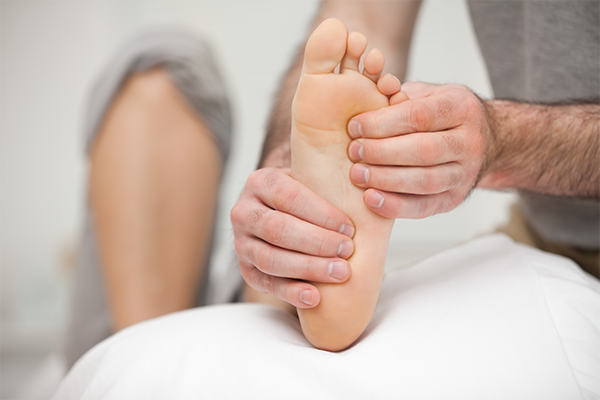
Consulting a qualified podiatrist like those at Mary Moore Podiatry is the first step. During your appointment, we will perform a thorough assessment, which may include the following:
- Physical Examination: Assessing foot structure and biomechanics.
- Gait Analysis: Observing how you walk to identify any abnormalities.
- Digital Scanning: Measuring your feet for precise orthotic fit.
Once we understand your specific needs, we'll create custom orthotics tailored to your foot anatomy and lifestyle.
Common Foot Conditions Treated with Orthotics
Orthotics can be beneficial for a variety of foot conditions. Here’s a brief overview of some common conditions we address:
- Plantar Fasciitis: Inflammation of the plantar fascia, causing heel pain.
- Achilles Tendonitis: Inflammation of the Achilles tendon leading to heel pain.
- Metatarsalgia: Pain in the ball of the foot due to excessive pressure.
- Shin Splints: Pain along the shin due to overuse or misalignment.
- Neuromas: Thickening of tissue around nerves in the foot, causing pain.
Frequently Asked Questions (FAQ)
What types of orthotics are available?
There are two primary types of orthotics: custom-made orthotics, which are specifically tailored for your foot, and over-the-counter options that provide general support. A podiatrist can help you choose the best type based on your needs.
How long do orthotics last?
With proper care, custom orthotics can last anywhere from 1-3 years. However, wear and tear may occur based on your activity level, so regular checks with your podiatrist are advisable.
Will orthotics fix my foot problems permanently?
While orthotics can provide significant relief and improve foot function, they may not cure underlying issues. Continuous assessment and possibly additional therapies may be necessary for long-term management.
Are orthotics comfortable to wear?
Initially, there may be an adjustment period when transitioning to orthotics. However, most patients report a noticeable improvement in comfort once they are accustomed to the orthotic support.
How do I care for my orthotics?
It is essential to keep orthotics clean. Wipe them down regularly and store them in a dry place. Avoid heat exposure, which can warp or damage the material.
Conclusion
Considering orthotics is a step towards improving your foot health, especially if you experience pain or discomfort. At Mary Moore Podiatry in Dublin, our team is dedicated to providing tailored treatment solutions for all your podiatric needs. Don’t hesitate to reach out and schedule a consultation to assess if orthotics are right for you.