
What Causes Cracked Heels and How to Prevent Them
Understanding Cracked Heels: An Overview
Cracked heels, or heel fissures, are a common foot condition that can cause discomfort and lead to more serious complications if left untreated. At Mary Moore Podiatry, located in Dublin, we understand the importance of healthy feet and the impact that cracked heels can have on your overall well-being. This article will explore the causes of cracked heels, preventive measures, and treatment options to help you maintain healthy feet.
What Causes Cracked Heels?
Cracked heels occur when the skin on the heels becomes dry, thickened, and eventually fissured. Several factors contribute to this condition:
- Dry Skin: Environmental factors such as low humidity and cold weather can dry out the skin, leading to fissures.
- Obesity: Excess weight can create additional pressure on the heels, encouraging the skin to stretch and crack.
- Footwear: Wearing ill-fitting shoes or sandals that lack adequate support can exacerbate heel cracking.
- Medical Conditions: Conditions such as diabetes, eczema, or psoriasis can impair the skin’s ability to retain moisture and contribute to cracking.
- Improper Foot Care: Neglecting regular foot hygiene and moisturisation can lead to dry and cracked heels over time.
How Can I Prevent Cracked Heels?
Preventing cracked heels requires a combination of good foot care practices and lifestyle changes:
- Moisturise Regularly: Apply a thick moisturising cream or foot balm daily, especially after bathing. Look for products containing urea, shea butter, or glycerin.
- Choose Proper Footwear: Wear well-fitted shoes with appropriate arch support to reduce pressure on your heels. Avoid open-backed shoes that can allow your heels to dry out.
- Maintain Healthy Weight: Managing your weight can help alleviate excess pressure on your feet, reducing the risk of cracking.
- Exfoliate the Skin: Regularly remove dead skin cells from your heels with a pumice stone after bathing to promote healthy skin renewal.
- Stay Hydrated: Drink plenty of water to keep your skin hydrated from the inside out.
How Can I Treat Cracked Heels?
If you are already experiencing cracked heels, several treatment options can help heal and prevent further damage:
- Over-the-Counter Treatments: Use creams and ointments specifically designed for cracked heels that contain ingredients like salicylic acid or alpha-hydroxy acids for effective exfoliation and moisturisation.
- Home Remedies: Natural treatments such as coconut oil, olive oil, or honey can offer soothing relief and moisturisation for cracked skin.
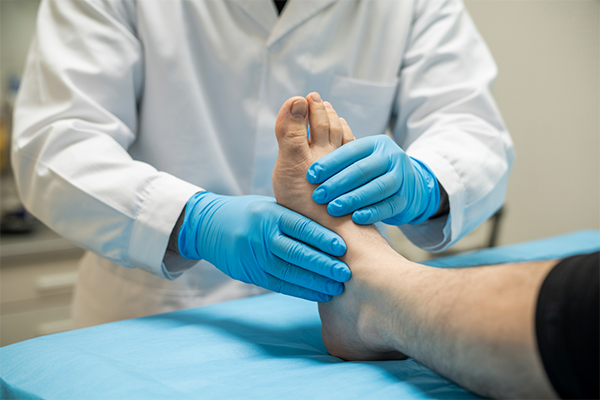
- Podiatrist Consultation: If your cracks are deep or painful, consider consulting a podiatrist at Mary Moore Podiatry. We can assess the condition of your feet and provide tailored treatment that could include debridement, custom orthotics, or additional moisturizing therapies.
- Use Foot Masks: Overnight foot masks that contain occlusive ingredients can help seal in moisture while you sleep, promoting healing.
When Should I See a Podiatrist?
It is advisable to consult a podiatrist if:
- You experience severe pain or discomfort in the heel area.
- Your cracked heels show signs of infection (redness, swelling, or pus).
- Conventional treatments do not improve the condition.
- You have underlying health conditions, such as diabetes or circulatory issues, that may complicate foot health.
Cracked Heels and Overall Foot Health
While cracked heels may seem like a minor issue, they can lead to serious complications, including infections or foot ulcers, particularly for those with diabetes or compromised immune systems. Prioritising foot health ensures not only functional mobility but also overall health and wellness.
FAQs About Cracked Heels
- What are the symptoms of cracked heels? Symptoms include dry, thickened skin, visible cracks, redness, and potential pain when walking.
- Can cracked heels lead to infections? Yes, deep cracks can expose underlying skin and increase the risk of infections.
- Is it safe to use a pumice stone on cracked heels? Yes, using a pumice stone gently can help remove dead skin, but avoid over-exfoliating.
- How long does it take to heal cracked heels? Healing time varies; with proper care, minor cracks may heal within a week, while deeper fissures can take longer.
- Can I treat cracked heels at home? Yes, many cases can be managed at home with proper moisturisation and foot care. Persistent issues should be assessed by a professional.
Conclusion
Cracked heels can be a frustrating and uncomfortable foot condition, but with proper care and attention, they can often be effectively treated and prevented. If you’re experiencing issues with cracked heels, schedule an appointment with Mary Moore Podiatry in Dublin. Our team of experts is dedicated to helping you achieve optimal foot health.
Book your appointment today and take the first step towards healthier feet!