
Bunions and Footwear: What Shoes to Wear (and Avoid)
Bunions and Footwear: What Shoes to Wear (and Avoid)
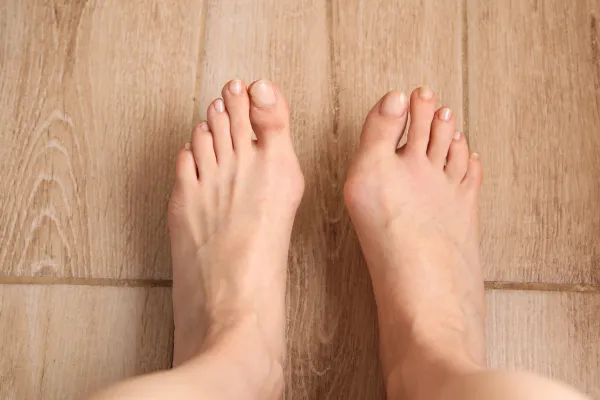
Bunions, medically known as hallux valgus, are a common foot deformity characterized by a lateral deviation of the big toe, causing a bony prominence at the joint. At Mary Moore Podiatry in Dublin, we understand how bunions can affect your quality of life, especially concerning footwear. This article will explore what causes bunions, how they can be treated, and importantly, what shoes you should wear or avoid to manage this condition effectively.
What Causes Bunions?
Bunions typically develop over time due to various factors, including:
Genetics: A family history of bunions can increase your risk.
Foot Structure: Certain foot shapes, such as flat feet or excessive pronation, can contribute to bunion formation.
Footwear Choices: Poorly fitting shoes, especially those with a narrow toe box or high heels, can exacerbate the problem.
Biomechanical Factors: Abnormal gait and other alignment issues can place additional stress on the big toe joint.
How Can I Treat Bunions?
Treatment for bunions often begins conservatively. Here are some options:
Footwear Modifications: Switching to wider shoes with a roomy toe box can help alleviate discomfort.
Orthotic Devices: Custom orthotics can provide additional support and correct alignment.
Physical Therapy: Exercises focusing on the muscles of the feet and lower legs can improve strength and flexibility.
Medications: Over-the-counter anti-inflammatory medications can reduce pain and swelling.
Surgery: In severe cases, surgical options may be discussed to correct deformities and alleviate pain.
What Shoes Should I Wear for Bunions?
Choosing the right footwear is crucial in managing bunions. Here are key guidelines:
Opt for Wider Shoes: Look for shoes with a broad toe box that allows your toes to spread naturally.
Cushioned Insoles: Shoes with adequate cushioning can help absorb shock and reduce pressure on the bunion.
Low Heels: Shoes with a heel height of less than 1 inch are preferable as they reduce pressure on the forefoot.
Adjustable Features: Shoes with laces, straps, or elastic can be adjusted for a comfortable fit.
Materials Matter: Choose flexible, breathable materials that adapt to your foot shape.
What Shoes Should I Avoid if I Have Bunions?
Not all shoes are created equal, especially for bunion sufferers. It’s wise to avoid:
Narrow-Toed Shoes: These can squeeze the big toe and worsen the bunion.
High Heels: Heels elevate the foot and force the toes forward, which can increase pain and deformity.
Flat Shoes with No Support: Even flats can cause issues if they lack cushioning and arch support.
Pointy Shoes: Styles that taper at the toe can cause further misalignment.
Old, Worn-Out Footwear: Shoes that no longer provide support should be replaced promptly.
How Can I Maintain Foot Health with Bunions?
Maintaining good foot health when you have bunions involves regular care and proactive measures:
Regular Foot Check-Ups: Schedule visits to your podiatrist for assessments.
Maintain a Healthy Weight: Extra body weight places additional stress on your feet.
Foot Exercises: Strengthening and stretching exercises alleviate symptoms.
FAQs
1. Can bunions be prevented?
While bunions can be partly hereditary, wearing appropriate footwear and maintaining foot health can help minimize their development.
2. Are surgery options always necessary for bunions?
Not always. Many people find relief with conservative treatment measures, but surgery may be recommended for severe cases.
3. How do I know if my shoes are too tight?
If you experience discomfort, numbness, or pain in your toes or feet after wearing a pair of shoes, they are likely too tight.
4. Is neuroma associated with bunions?
Yes, bunions can contribute to conditions such as Morton’s neuroma, which is the thickening of the tissue around the nerves between the toes.
5. When should I see a podiatrist for bunion pain?
It’s advisable to consult a podiatrist if you experience persistent pain, swelling, or difficulty in walking.
Conclusion
Understanding how bunions affect your foot health is essential in managing and treating this common condition. At Mary Moore Podiatry in Dublin, we are dedicated to helping you find the best solutions to alleviate pain and improve your mobility. With the right footwear choices and treatment plans, you can manage bunion discomfort and lead a more active life.
If you're experiencing issues with bunions or have questions about your foot health, don’t hesitate to book an appointment with us today. Your feet deserve the best care!